South African agriculture is heading toward a season that demands serious attention. Current climate signals point toward the development of El Niño conditions during 2026, with the risk window extending into the 2026/2027 summer production season. For farmers, agribusinesses, input suppliers, processors, exporters and consumers, this is not simply a weather update. It is a food-production, water-security and consumer-inflation story.
Some public discussion has described the possible 2026/2027 El Niño as a rare event, with comparisons to historic “super El Niño” events. That language should be handled carefully. It is not yet possible to confirm the final strength of the event, and climate institutions continue to warn that uncertainty remains around the peak intensity. However, the probability of El Niño developing is strong enough that South African agriculture cannot afford to wait.
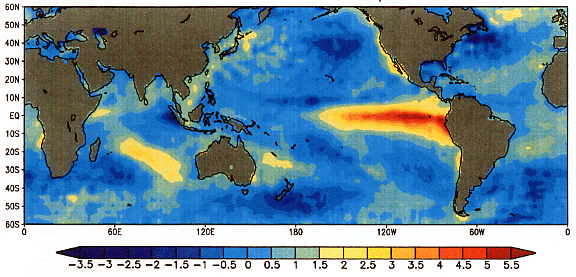
The National Oceanic and Atmospheric Administration (NOAA) May 2026 ENSO discussion placed the probability of El Niño at 82% for May to July 2026 and 96% for December 2026 to February 2027. NOAA also warned that the peak strength remains uncertain. The South African Weather Service (SAWS) has also warned of a rapid shift toward El Niño, with hotter and drier associations, while advising continued monitoring because winter-month forecast skill can be limited.
That combination matters. The message is not panic. The message is Droughtproofing.
For South Africa, the concern is that El Niño often increases the probability of hotter and drier summer conditions across important production regions. If this risk materialises during planting, flowering, fruit set, grazing recovery or irrigation planning, the effects could move through the entire agricultural value chain.
This blog explains what El Niño 2026/2027 could mean for maize, sunflower, sorghum, soya, wheat, cotton, fruit, vegetables, livestock, poultry, eggs, dairy, irrigation, food security and consumer prices in South Africa. More importantly, it explains why Droughtproofing must become a practical priority before the season turns.
What Is El Niño and Why Does It Matter?
El Niño is part of the El Niño-Southern Oscillation, often called ENSO. It begins when sea-surface temperatures in the central and eastern equatorial Pacific Ocean become warmer than normal. Although this happens far from South Africa, it can influence rainfall and temperature patterns across the world.
In Southern Africa, El Niño events are often associated with below-normal rainfall and above-normal temperatures during the summer rainfall season. This does not mean every El Niño causes drought in every district. Rain can still fall during an El Niño season. Some regions may perform better than expected. Timing, local weather systems and existing soil moisture all matter.
However, farmers do not manage risk by waiting for certainty. They manage risk by reading probabilities early and preparing before conditions become difficult.
That is why Droughtproofing is the right word for the 2026/2027 season. It does not mean a farm can become completely immune to drought. No farm can. It means reducing exposure, improving water efficiency, strengthening production systems and making better decisions before pressure arrives.
Droughtproofing South African agriculture is not only about saving crops. It is about protecting food supply, managing input costs, supporting livestock, keeping feed systems stable and reducing the shock that can reach consumers through higher food prices.
A Serious Risk, Not a Guaranteed Disaster
The 2026/2027 El Niño outlook should be treated seriously, but not sensationally.
A rare or very strong El Niño would be a major concern for South Africa and the wider region. Hotter conditions, lower rainfall, weaker grazing, higher irrigation demand and reduced crop yields could all place pressure on the food system. If neighbouring countries are also affected, demand for South African produce could rise at the same time that local production costs increase.
Still, it is important to remain balanced. The final strength of El Niño is not yet fully known. Some climate models suggest a strong event, but forecasts must be monitored as winter moves into spring and then summer. Local impacts can differ from national headlines.
The correct position is therefore clear: South Africa should not assume disaster, but it should prepare for a difficult season.
This is where Droughtproofing becomes valuable. It gives farmers and agribusinesses a practical framework. Instead of asking, “Will there be a drought?” the better question becomes, “What can we do now to reduce the damage if the season becomes hot and dry?”
Why South Africa’s Food System Is Exposed
South Africa’s agriculture sector is diverse. It includes dryland grain farms, irrigated fruit orchards, vegetable producers, cattle farmers, sheep and goat producers, poultry houses, egg farms, dairy operations, cotton growers, wine farms, seed producers, exporters and processors.
That diversity is a strength. It also means climate risk can move through the system in many ways.
A dry summer can affect maize yields. Maize affects animal feed. Feed affects poultry, eggs, pork, beef and dairy. Heat stress affects livestock and poultry performance. Poor rainfall affects grazing veld. Water scarcity affects fruit and vegetable production. High diesel and electricity costs affect irrigation, transport, cooling and processing. Fertilizer costs affect crop decisions. Regional shortages can lift demand for South African food.
This is why El Niño is not only a farmer’s problem. It can become a food-security and inflation issue.
Droughtproofing must therefore happen across the value chain. Farmers need to prepare fields, animals and water systems. Input suppliers need to support realistic decisions. Banks and insurers need to understand rising risk. Government must communicate clearly on water and disaster planning. Buyers and processors must prepare for supply volatility. Consumers need to understand why food prices can move when weather, energy and input costs collide.
Rainfed Summer Crops: Maize, Sunflower, Soya and Sorghum
Rainfed summer crops are usually the most exposed part of South African agriculture during El Niño. This includes maize, sunflower, soya beans, sorghum, dry beans, groundnuts and parts of cotton production.
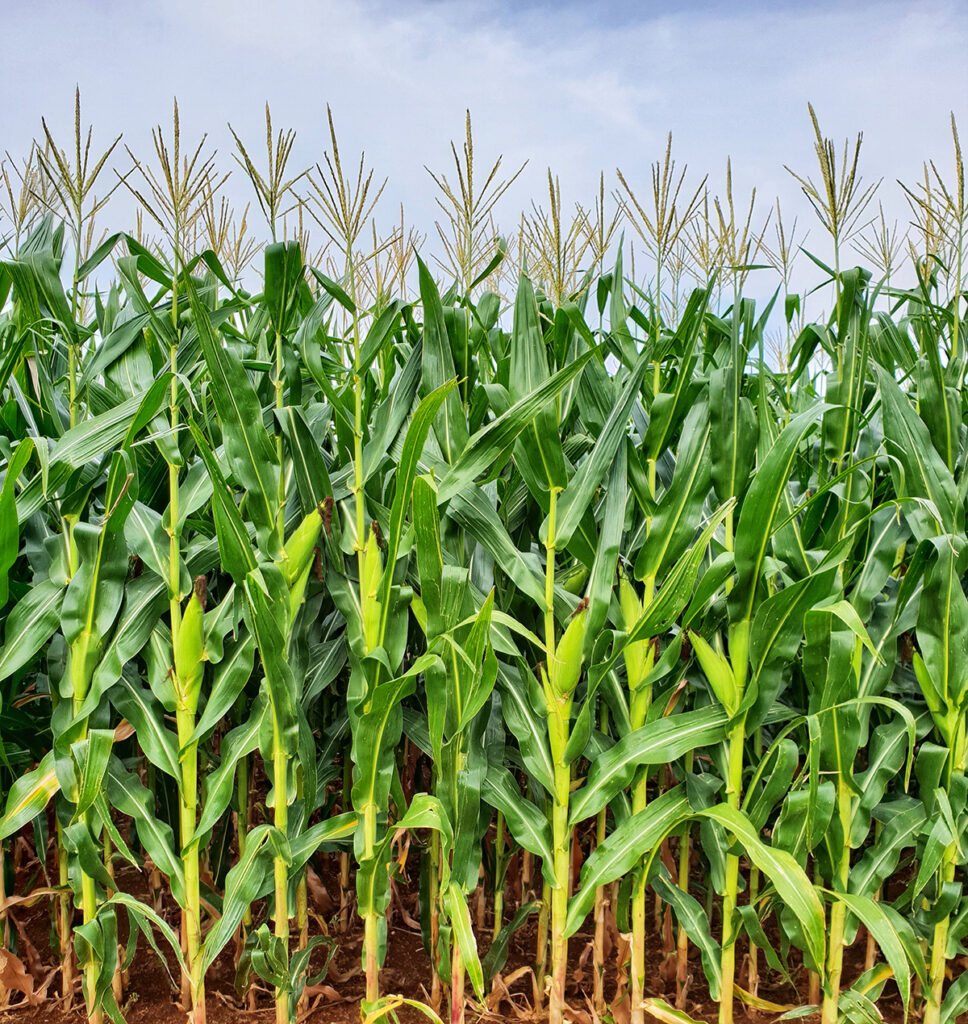
Maize is the crop to watch most closely. White maize is a staple food for many households. Yellow maize is central to feed production for poultry, eggs, dairy and livestock. If maize production is under pressure, the effect can move into the broader food basket.
The main risks for maize include delayed planting rain, poor germination, heat stress, uneven crop stands, moisture stress during pollination and weaker grain fill. A crop can start well and still lose yield if rainfall fails at the wrong time. Heat during reproductive stages can also reduce yield potential.
Droughtproofing in maize production begins with soil moisture conservation. Farmers should protect residue where possible, reduce unnecessary soil disturbance, assess planting dates carefully and choose cultivars suited to their region and risk profile. It may also mean reviewing planting density, fertilizer plans and crop insurance.
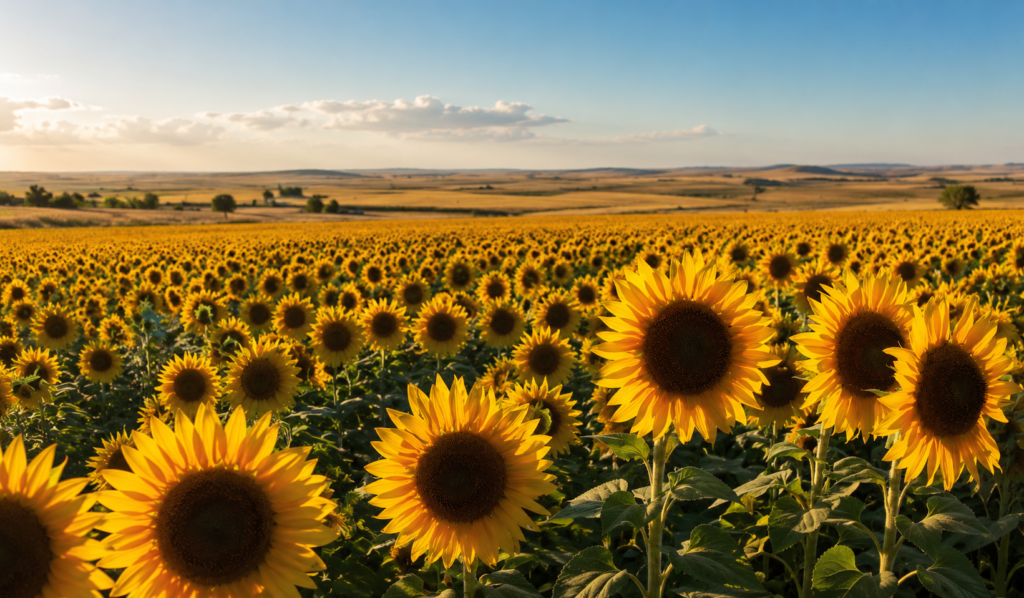
Sunflower may become more attractive in some areas because it can tolerate drier conditions better than maize, but it is not drought-proof. Soya beans and groundnuts can be vulnerable during flowering and pod development. Dry beans can be sensitive to heat and moisture stress. Sorghum, often underappreciated, may become more relevant because of its drought tolerance and role in food, feed and industrial value chains.
Droughtproofing does not mean abandoning high-value crops. It means matching crop choice, inputs and planting decisions to realistic rainfall risk.
Wheat, Barley and Canola: The Winter Rainfall Link
El Niño discussions often focus on summer rainfall, but winter crop regions also matter.
The Western Cape and other winter rainfall areas are important for wheat, barley and canola. If winter rainfall underperforms, the impact can be felt before the summer El Niño signal fully arrives. Lower winter rainfall can affect crop establishment, pasture recovery, dam recharge and irrigation confidence.
Wheat is especially important because South Africa often relies on imports to supplement local production. If local wheat production is under pressure while global wheat markets are also affected by weather or geopolitical instability, import costs can rise. That can eventually influence bread prices and other wheat-based foods.
Droughtproofing winter crop systems requires early attention to soil moisture, planting windows, cultivar decisions and input discipline. It also requires catchment-level thinking, because winter rainfall supports dams and irrigation systems that may be needed later for fruit, vegetables and other high-value crops.
The winter crop sector may not always be the first sector mentioned in an El Niño article, but it belongs firmly in the national food-security discussion.
Fruit and Vegetables: Irrigation Helps, But Water Still Rules
Fruit and vegetable producers are often more protected than dryland farmers because many operate under irrigation. South Africa’s fruit exports, vegetable production and high-value horticultural systems depend on dams, boreholes, rivers, canals, pumps, fertigation and precision irrigation.
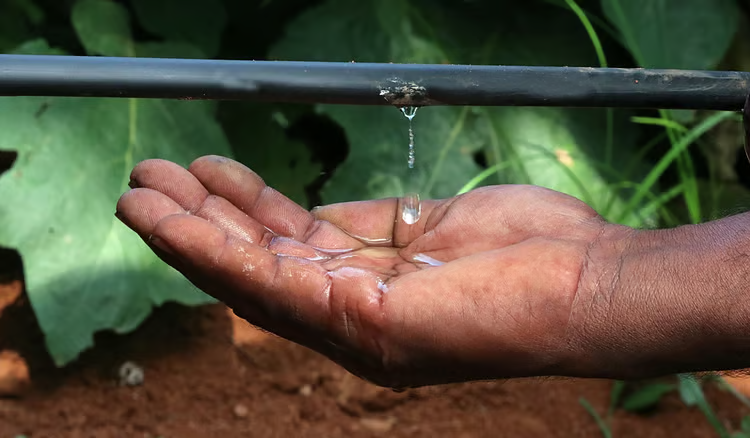
But irrigation does not create water. It only applies available water more efficiently.
If dam levels fall, water allocations tighten, boreholes weaken, canals are restricted or pumping costs rise, irrigated farmers can still come under pressure. Higher temperatures can increase evapotranspiration, meaning crops lose more water through the soil and canopy. This can shorten irrigation intervals and increase energy use.
For fruit producers, water stress can affect fruit size, quality, colour, pack-out percentages and export-grade volumes. Citrus, table grapes, deciduous fruit, subtropical fruit and nuts all depend on careful water management. A poor water season can affect not only the current crop, but also tree reserves and future production potential.
Vegetable producers face similar pressure. Potatoes, onions, tomatoes, peppers, brassicas, carrots and leafy crops require consistent moisture and careful timing. Heat can affect germination, transplant establishment, leaf quality, bulb formation, fruit set, sizing and shelf life.
Droughtproofing fruit and vegetable systems means checking pumps, filters, valves, pressure regulators, irrigation lines, soil moisture probes and fertigation systems before the heat arrives. It also means monitoring water quality, because salinity, pH and microbial load can change when water sources are stressed.
In high-value horticulture, the cost of monitoring is usually far lower than the cost of losing quality.
Livestock: The Veld Will Show the Risk First
Livestock producers often see the effect of a dry season in the veld before it appears in official production figures.
If rainfall is delayed or below normal, grazing recovery slows. Natural veld carries fewer animals. Water points become more important. Farmers may need to purchase supplementary feed earlier than planned. Animal condition, breeding performance, weaning weights and health can all come under pressure.
Beef farmers may need to make early decisions about stocking rates and herd structure. Waiting too long can lead to forced sales when animals are already losing condition. Sheep and goat producers face similar decisions around grazing, lambing, kidding and feed reserves.
Droughtproofing livestock systems starts with honest veld assessment. Farmers should check water points, boreholes, pipelines, dams and troughs. They should calculate feed reserves and know how long available grazing can realistically carry the herd or flock. They should also plan which animals are essential to keep and which can be marketed early if conditions deteriorate.
Game farms and mixed farms also need water and grazing plans. In dry periods, pressure around water points can increase, raising the risk of land degradation and animal stress.
Droughtproofing livestock is not only about feed. It is about acting before the veld tells a hard truth.
Poultry, Eggs and Dairy: The Feed-Cost Chain Reaction
Poultry, eggs and dairy may not depend directly on rainfall in the same way as maize or veld systems, but they are deeply connected to crop performance through feed.
Broiler and layer operations rely heavily on maize and soya-based feed. If dryland crop yields are lower, feed raw material prices can rise. If diesel, electricity and transport costs rise at the same time, producers face a margin squeeze.
Heat stress is another risk. In poultry houses, high temperatures can affect feed intake, growth rates, egg production, egg size, shell quality and mortality. Modern housing, ventilation and cooling systems can reduce this risk, but they also increase reliance on electricity and backup power.
Dairy producers face a similar challenge. Cows under heat stress often produce less milk. They also need constant access to clean water, shade, cooling and balanced rations. If feed costs rise at the same time, dairy margins can weaken quickly.
Droughtproofing poultry, egg and dairy systems means securing feed plans, checking ventilation, testing cooling systems, reviewing backup power and ensuring reliable water supply. For these sectors, a climate shock can quickly become a feed-cost and energy-cost shock.
Because poultry, eggs and milk are important everyday foods, pressure in these sectors can reach consumers quickly.
Water: The Real Tug of War
The centre of the El Niño 2026/2027 story is water.
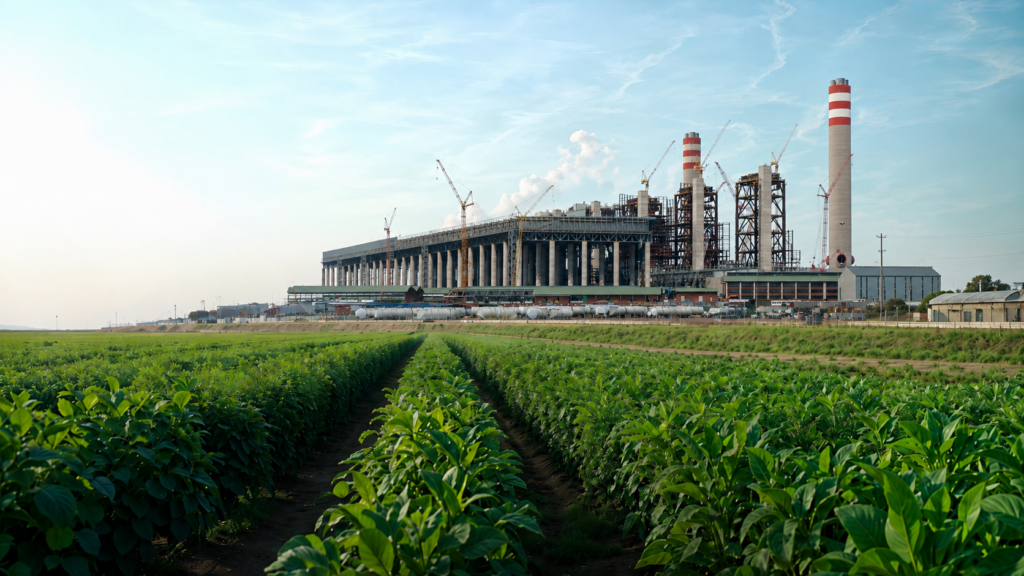
South Africa is a water-scarce country. Agriculture is the largest water user, while households, municipalities, industry, mining, power generation and environmental systems all compete for the same scarce resource. In a wet year, this competition is easier to manage. In a dry year, it becomes visible and sensitive.
Agriculture needs water to produce food. Households need water to live. Industry needs water to sustain jobs and economic activity. Power generation and mining need reliable water for strategic operations. Rivers, wetlands and ecosystems also need water to function.
This is the tug of war that El Niño can intensify.
Droughtproofing South Africa’s water system cannot be left only to farmers. Farmers can improve irrigation efficiency, repair leaks, monitor soil moisture and manage water carefully. But national water security also depends on municipal infrastructure, water-loss reduction, catchment protection, dam management, fair allocation and clear communication.
It is too simple to frame agriculture as the problem. Food production is not optional. But it is also too risky to ignore poor water governance, ageing infrastructure and avoidable losses.
A dry season tests rainfall. A drought tests governance.
Strategic Water Source Areas and Irrigation Security
South Africa’s strategic water source areas are small in land area, but their importance is enormous. They supply a large share of surface runoff and support irrigation, households, industry and ecosystems.
If these catchments are degraded, overused or poorly managed, the country becomes more vulnerable during dry cycles. Protecting water source areas is therefore not only an environmental issue. It is agricultural infrastructure.
Droughtproofing irrigation security begins long before water reaches the farm dam. It begins in mountain catchments, wetlands, rivers, groundwater systems and storage infrastructure. Farmers, water user associations, irrigation boards, municipalities, conservation bodies and industry all have a role to play.
For irrigation farmers, the practical steps are clear. Monitor dam levels. Test boreholes. Maintain pumps. Clean filters. Repair leaks. Check pressure. Monitor water quality. Use soil moisture information. Schedule irrigation carefully. Avoid applying water when losses are highest.
Droughtproofing irrigation is not one action. It is a full water-management discipline.
Input Costs: Climate Risk Meets Fertilizer and Diesel Pressure
The 2026/2027 season is not only climatically risky. It is economically risky.
Global input markets have been under pressure from conflict, energy volatility, shipping disruption and fertilizer-market instability. The Russia-Ukraine war has already reshaped grain, energy and fertilizer markets. Instability linked to the Middle East and Iran adds further concern around oil prices, shipping routes and fertilizer supply.
For South African farmers, this matters because production decisions must be made before the weather outcome is known. Seed, fertilizer, fuel, crop protection, labour and finance are committed early.
This creates a difficult decision. If a farmer cuts fertilizer too aggressively and rainfall is better than expected, yield potential may be lost. If a farmer spends heavily and the rains fail, the financial damage can be serious.
Droughtproofing the input plan means using soil tests, yield history, realistic rainfall assumptions and careful budgeting. It also means avoiding emotional decisions. A high-risk season requires discipline, not guesswork.
Diesel and electricity costs affect land preparation, planting, harvesting, irrigation pumping, cold storage, poultry housing, dairy cooling, packing and transport. In a hotter season, energy demand may rise just as farm margins become more fragile.
Droughtproofing must therefore be financial as well as agronomic.
Regional Demand and Food Prices
A strong El Niño would not only affect South Africa. It could also affect neighbouring countries and wider global production regions. If surrounding countries experience crop losses or food shortages, demand for South African food may increase.
This can create opportunities for producers, exporters and traders with available supply. Maize, fruit, vegetables, meat, processed foods and other products may attract stronger regional demand if neighbouring markets are short.
However, higher demand can also place pressure on domestic affordability. If local production is also under stress, South Africa may face a difficult balance between export opportunity and consumer protection.
This is where food security becomes complicated. Farmers may receive better prices, but households may struggle. Traders may find regional demand, but local food prices may rise. A country may have food available, but many families may still battle to afford it.
Droughtproofing food security therefore means looking beyond the farm. It means understanding trade, storage, imports, consumer prices, transport costs and regional supply.
Consumer Inflation: Why Households Should Care
Consumers are already under financial pressure from food, fuel, electricity, transport and household costs. If El Niño reduces production or raises feed and input costs, food-price inflation may become harder to contain.
The risk is not limited to one product. Maize affects maize meal and animal feed. Feed affects poultry, eggs, dairy, pork and beef. Wheat affects bread. Oilseeds affect cooking oil and feed. Fruit and vegetables affect fresh produce prices. Diesel affects transport and logistics. Electricity affects irrigation, cooling and processing.
This is how a climate event can move from the Pacific Ocean to the household grocery basket.
Poor households are usually hit hardest because they spend a larger share of income on food. When staple foods rise, families may reduce dietary diversity. That can affect nutrition, health and household stability.
Droughtproofing consumer food security is not only about producing more food. It is also about keeping supply chains stable, reducing waste, managing imports wisely and protecting water systems before shortages become severe.
What Farmers Should Do Now
The first step is monitoring. Farmers should follow SAWS updates, reputable seasonal climate forecasts, agricultural economists and producer organisations. Forecasts will become clearer as winter moves into spring.
The second step is scenario planning. Farmers should prepare for a manageable dry season, a severe dry season and a season with uneven rainfall. Each scenario should have a production, cash-flow and marketing plan.
The third step is water assessment. Irrigation farmers should review dam levels, boreholes, canals, pumps, filters, valves, pressure, soil moisture systems and water quality. Dryland farmers should assess soil moisture, residue cover and conservation practices.
The fourth step is input discipline. Soil tests, crop history and realistic yield targets should guide fertilizer decisions. In a high-cost season, guesswork becomes expensive.
The fifth step is livestock planning. Veld condition, stocking rates, feed reserves and water points should be reviewed early.
The sixth step is communication. Farmers should speak to financiers, insurers, buyers, suppliers and producer organisations before pressure becomes visible.
Droughtproofing is not a last-minute rescue plan. It is a series of early, practical decisions.
What Agribusinesses and Policymakers Should Do
Agribusinesses have an important role to play. Seed companies, fertilizer suppliers, irrigation specialists, animal nutrition companies, insurers, banks, cooperatives, processors and retailers should help farmers make practical, region-specific decisions.
This is not the season for generic messaging. Farmers need real advice, realistic risk communication and flexible support.
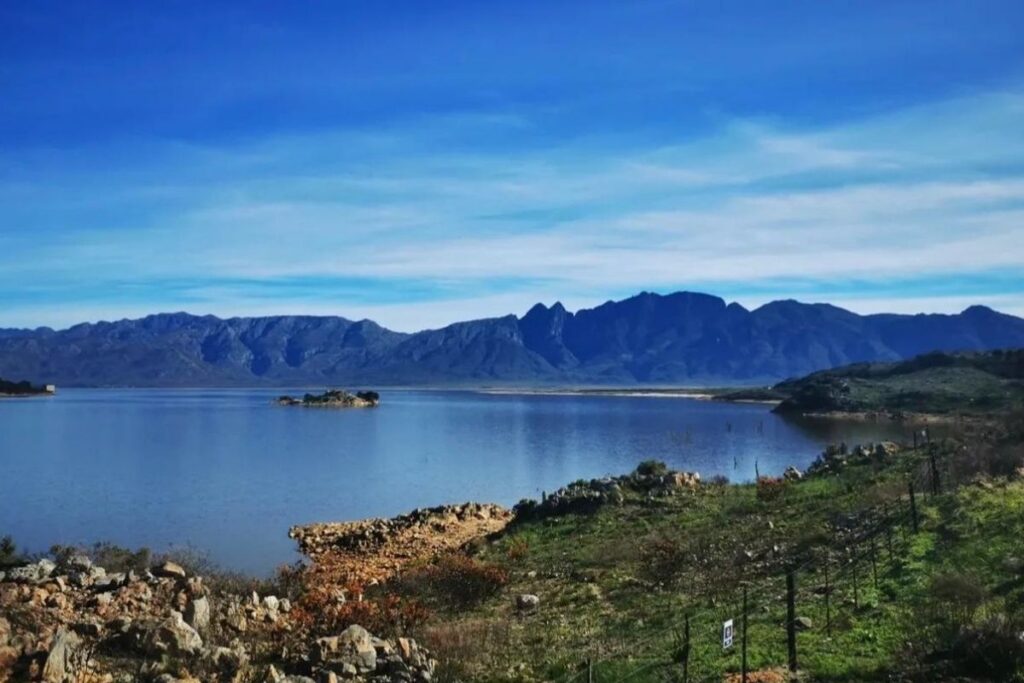
Policymakers and water authorities also need to act early. Water restrictions, allocation rules, disaster support, import planning and infrastructure maintenance should not be left until the crisis is already visible.
Municipal water losses also need urgent attention. It is difficult to ask farmers to use water more efficiently while large volumes are lost through failing municipal systems. Droughtproofing must apply to the whole water system, not only to agriculture.
If South Africa wants to protect food security, farmers cannot carry the entire burden alone.
Frequently Asked Questions About El Niño 2026/2027 and South African Agriculture
1. What is El Niño in simple terms?
El Niño is a natural climate pattern that starts in the Pacific Ocean, where sea temperatures become warmer than usual. Even though this happens far from South Africa, it can influence weather patterns around the world. In Southern Africa, El Niño is often linked to hotter and drier summer conditions. This matters because many South African crops, grazing areas and water systems depend heavily on reliable seasonal rainfall.
2. Why should South African farmers care about El Niño 2026/2027?
Farmers should care because the 2026/2027 El Niño risk falls over South Africa’s important summer production season. This is when maize, sunflower, soya, sorghum, cotton, grazing veld and many irrigated crops are under pressure to establish, grow and produce. If rainfall is lower and temperatures are higher, farmers may face weaker yields, higher irrigation demand, poorer grazing, higher feed costs and tighter profit margins.
3. Does El Niño always mean drought in South Africa?
No. El Niño does not guarantee drought in every region. Some areas may still receive rain, and rainfall can vary from district to district. However, El Niño increases the risk of hotter and drier conditions in many summer rainfall areas. For farmers, that risk is enough to justify early planning. Waiting until the drought is visible can leave too little time to respond properly.
4. Which crops are most exposed to El Niño?
Rainfed summer crops are usually the most exposed. This includes maize, sunflower, soya beans, sorghum, dry beans, groundnuts and some cotton areas. Maize is especially important because it is used for both human food and animal feed. If maize production is hit, the effect can move through poultry, eggs, dairy, beef, pork and consumer food prices.
5. Are fruit and vegetable farmers safe because they use irrigation?
Not completely. Irrigation helps, but it does not remove risk. Irrigation systems still depend on available water from dams, rivers, boreholes, canals or reservoirs. In a hot, dry season, crops may need more water while water supplies may recharge more slowly. Fruit and vegetable farmers must therefore focus on irrigation efficiency, water quality, pump reliability, filtration, scheduling and dam monitoring.
6. How can El Niño affect livestock farmers?
Livestock farmers may feel the effect through poor grazing, weaker veld recovery, lower water availability and higher supplementary feed costs. Animals may lose condition if grazing declines. Breeding performance, weaning weights and animal health can also suffer. In dry years, farmers often need to make early decisions about stocking rates, feed reserves and water-point maintenance.
7. Why could poultry, eggs and dairy become more expensive?
Poultry, eggs and dairy depend heavily on feed. If maize and soya production is affected by dry conditions, feed prices can rise. Poultry and dairy farms may also face higher cooling, electricity and water costs during hotter weather. When feed and energy costs increase, producers may have to recover those costs through higher prices, which can eventually affect consumers.
8. How does El Niño connect to food inflation?
El Niño can affect food inflation by reducing crop yields, increasing irrigation costs, raising feed prices and putting pressure on livestock, dairy, poultry, fruit and vegetable supply. If South Africa and neighbouring countries experience production pressure at the same time, demand for available food may rise. This can push prices higher, especially when fertilizer, diesel, electricity and transport costs are already expensive.
9. What should farmers do now to prepare?
Farmers should monitor updated forecasts, review water availability, check irrigation systems, test boreholes, inspect pumps and filters, assess grazing, plan feed reserves and budget carefully for inputs. Dryland farmers should consider soil moisture, cultivar choice, planting windows and crop insurance. Livestock producers should review stocking rates early. The most important step is to plan before the season becomes stressful.
10. What is the main message for farmers and consumers?
The main message is: do not panic, but do not ignore the warning. El Niño 2026/2027 may not affect every region equally, and the final strength is still uncertain. However, the risk is serious enough for South Africa’s agricultural sector to prepare early. Farmers, water managers, agribusinesses, policymakers and consumers all need to understand that weather, water, food production and food prices are connected.
Conclusion: Droughtproofing Must Start Before the Rain Fails
El Niño 2026/2027 may become one of the defining agricultural risks of the coming season. Whether it becomes a manageable dry cycle or a severe production shock will depend partly on nature, but also on human decisions.
Farmers cannot control the Pacific Ocean. They cannot control global fertilizer prices, oil markets or regional demand. They cannot control every rainfall event.
But they can control Droughtproofing.
They can protect soil moisture. They can test water systems. They can plan crop choices carefully. They can review stocking rates. They can secure feed. They can monitor forecasts. They can manage inputs with discipline. They can communicate early with buyers, banks and suppliers. They can treat water as the central production asset of the season.
For South African agriculture, the message is simple: do not panic, but do not wait.
A possible rare El Niño event is building toward the 2026/2027 production season. The time for Droughtproofing is now.
Written by M.O.