
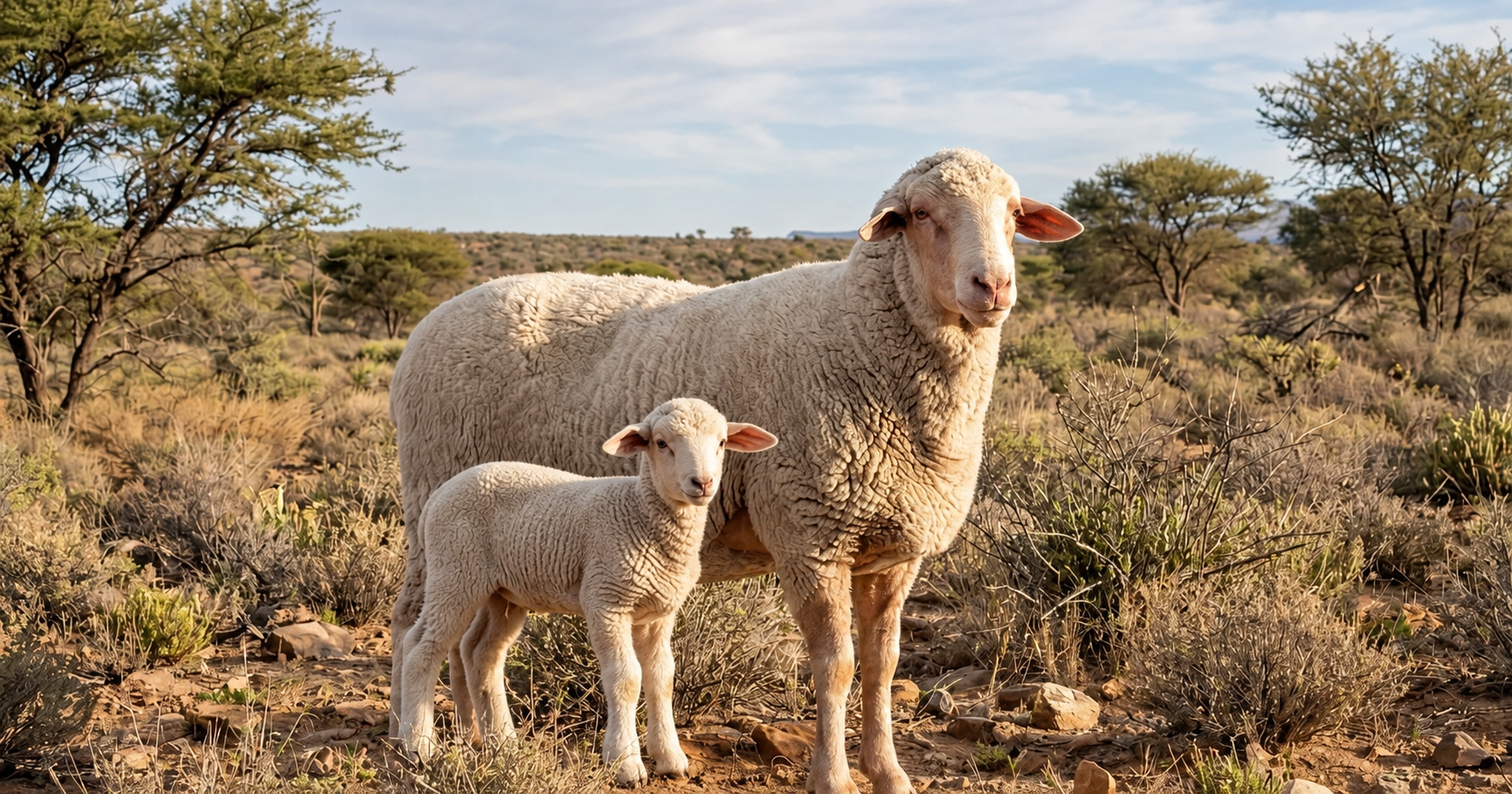
Profitable Sheep Farming in South Africa is entering an unusually promising period as 2026 draws to a close. With lamb carcass prices exceeding R100/kg and wool fetching more than R250/kg clean, dual-purpose sheep producers have a valuable opportunity to strengthen their income from two distinct markets. Yet behind these encouraging prices lies a more complicated question: can farmers convert strong demand for meat and fibre into sustainable profits when El Niño, rising production costs and livestock losses threaten their margins?
South Africa’s sheep farmers are approaching the end of 2026 with something many agricultural producers have been hoping to see for years: two important products from the same enterprise attracting strong market prices simultaneously. Lamb has moved beyond the psychologically significant R100/kg carcass threshold, while wool continues to attract international buyers willing to pay substantial prices for quality fibre. For producers running dual-purpose Merino or Dohne Merino flocks, the combination presents an opportunity to make sheep farming more profitable without necessarily increasing animal numbers.
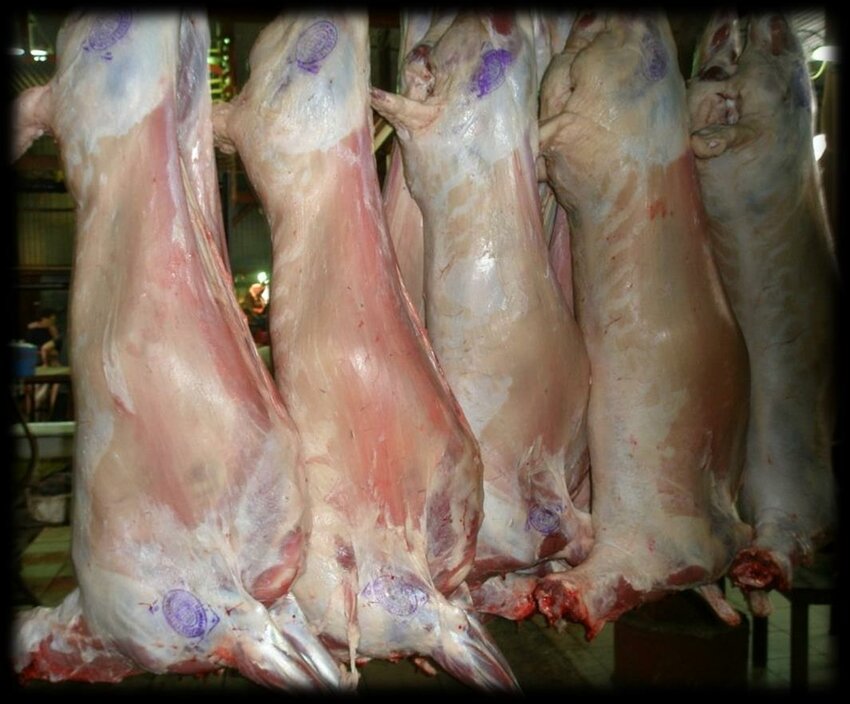
By 25 September, the indicative A2/3 sheep carcass price had reached approximately R106.10/kg, while feeder lambs were trading around R56.26/kg. Meanwhile, the Cape Wools all-Merino indicator recovered to R252.50/kg clean at the auction held on 7 October, with certified wool reaching R258.30/kg. These figures provide encouraging evidence of market strength, particularly when viewed against the difficult conditions livestock producers have experienced in recent years.
Yet experienced sheep farmers know that an attractive selling price is not the same as a profitable production season. The value of an animal at slaughter represents only the final stage of a lengthy biological and financial process involving breeding, grazing, nutrition, animal health, labour and protection against predators. Wool adds another valuable income stream, but producing and marketing a quality clip also requires investment and careful management.
The opportunity is nevertheless significant. One breeding flock can generate revenue from lamb production while simultaneously growing wool for an international textile industry that places considerable value on fine, well-prepared fibre. In a period when many agricultural enterprises are struggling with rising input costs, the dual-purpose sheep offers an important advantage: the ability to spread certain production costs across two markets rather than relying entirely on one commodity.
Whether this becomes a particularly profitable year will depend on how successfully farmers protect those two income streams against the risks developing around them.
Christmas demand meets an already expensive lamb market
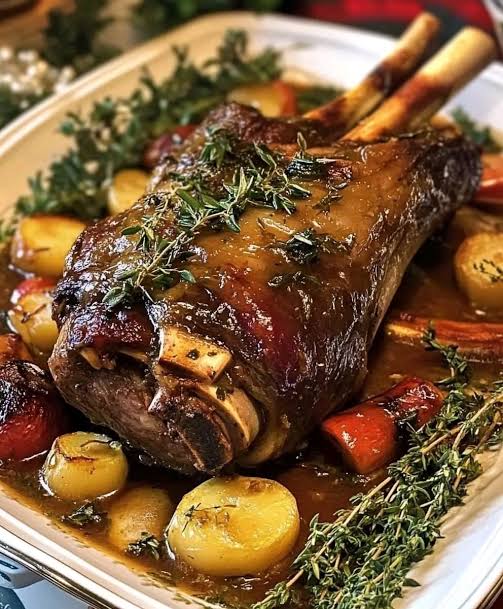
The approach of Christmas traditionally brings renewed activity to South Africa’s meat trade. Butchers, wholesalers and retailers prepare for increased demand for braai chops, legs of lamb, shoulders and premium roasting cuts, while holiday tourism, family gatherings and festive entertaining provide additional opportunities for sales. Lamb remains closely associated with special occasions, making the final months of the year an important marketing period for many sheep producers.
What makes 2026 unusual is that lamb prices have already reached elevated levels before the strongest festive demand has fully developed. The indicative A2/3 carcass price exceeded R100/kg in September, giving the market a strong starting point as November and December approach. Where supplies of suitable slaughter lambs remain relatively tight, additional seasonal buying could provide further support for prices and create profitable selling opportunities.
However, the festive season does not guarantee another dramatic increase. Consumers are already dealing with pressure on household budgets, and lamb is generally more expensive than many alternative proteins. When retail prices become difficult to justify, shoppers may buy smaller quantities, choose less expensive cuts or substitute chicken, pork or beef. Retailers must therefore balance the prices demanded by suppliers against the willingness of consumers to continue purchasing.
For farmers, this creates an important marketing decision. A lamb that has reached suitable slaughter condition represents an asset that can be converted into cash, but keeping it longer in anticipation of a higher December price involves additional expenditure. Feed, water, labour, animal health and the risk of changing market conditions must all be considered.
The most profitable strategy may consequently be to secure a dependable price when animals are ready rather than attempt to capture the absolute peak of the festive market. A relatively small improvement in the selling price can disappear quickly if an animal must be carried through several additional weeks of expensive feeding.
It is also important to distinguish between carcass prices and retail meat prices. A carcass contains different cuts, bones, fat and trimming material, while processing, refrigeration, transport, packaging and retail overheads all contribute to the eventual price paid by consumers. The R106/kg benchmark cannot therefore be compared directly with the price of a kilogram of premium chops in a supermarket.
Nevertheless, strong demand for lamb remains encouraging. For producers who can deliver the right animals at the right time, the festive period may strengthen an already attractive market.
Export demand is changing the economics of South African lamb
The strength of the sheep-meat market cannot be explained by Christmas demand alone. International trade has become an increasingly important influence on South African lamb prices, with overseas buyers competing for suitable carcasses and cuts that meet their quality and certification requirements.
During 2024, South Africa exported approximately 11,400 tonnes of sheep and goat meat, with the United Arab Emirates, Kuwait, Qatar, Jordan and Iran among the important destinations. Although this trade category includes goat meat and should not be interpreted as exclusively lamb exports, it illustrates the growing commercial importance of international markets to the broader small-stock industry.
For the domestic meat trade, this development changes the competitive environment. A South African butcher seeking young, well-finished lamb may effectively be competing with an exporter supplying customers thousands of kilometres away. Where international buyers are prepared to pay attractive prices for suitable carcasses, domestic purchasers may need to offer more to secure the same animals.
This creates additional opportunities for profitable sheep farming, particularly among producers who consistently deliver animals meeting market specifications. Access to several potential buyers can reduce dependence on one marketing channel and strengthen the commercial position of farmers whose production systems deliver reliable quality.
Export demand does not, however, provide an automatic premium for every animal. International customers operate under specific requirements relating to animal health, traceability, slaughter procedures, product quality and delivery. Meeting these requirements involves costs, and changes in importing-country regulations or market conditions can alter the commercial attractiveness of particular destinations.
Currency movements introduce another layer of complexity. A weaker rand can improve the local-currency value of export earnings, potentially supporting prices offered by exporters. At the same time, it may increase the cost of imported veterinary products, machinery, fuel and other agricultural inputs.
The most profitable outcome therefore depends on the relationship between export revenue and the cost of meeting international market requirements. Producers must understand not only the prices available but also the standards, risks and expenses associated with supplying those markets.
Nevertheless, international competition represents an important development for the South African sheep industry. Quality lamb is increasingly a product with buyers beyond the country’s borders, and that broader demand may help support farm income when domestic purchasing conditions become less favourable.
Wool provides the second cheque — and international demand remains encouraging
While lamb prices are attracting attention, the wool market is providing a second reason for optimism. For dual-purpose sheep producers, wool is not merely a by-product of keeping breeding animals. It is a separate agricultural commodity with its own international markets, quality requirements and pricing structure, capable of contributing substantially to a profitable enterprise.
The 2026/27 wool season has already demonstrated both the opportunities and volatility associated with this market. At the auction held on 15 September, the Cape Wools all-Merino indicator stood at R259.63/kg clean. By 30 September, it had declined by 5.2% to R246.16/kg, while the certified indicator slipped to R251.10/kg.
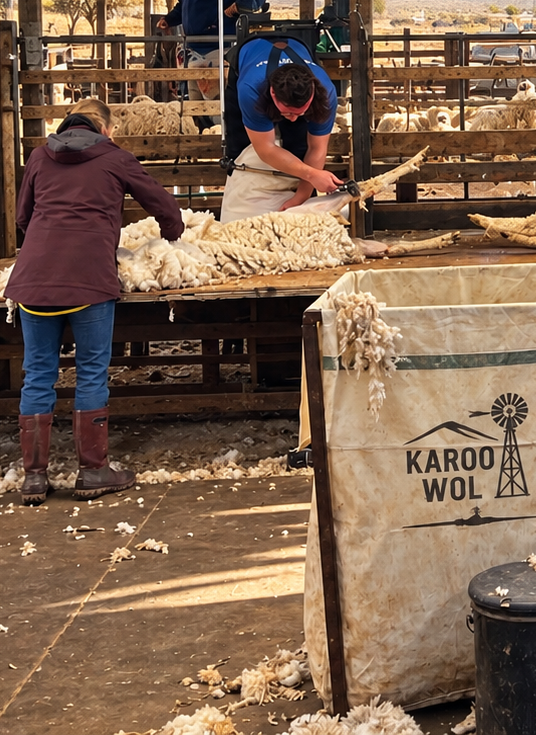
Although the correction was significant, the all-Merino indicator remained approximately 12.6% above the corresponding sale during the previous season. The market therefore retained considerable underlying strength despite the short-term decline.
The auction held on 7 October provided further encouragement. The all-Merino indicator recovered by 2.6% to R252.50/kg clean, while certified wool increased by 2.9% to R258.30/kg. Cape Wools reported an offering of 8,009 bales and a clearance rate of 93.9%, with exchange-rate movements contributing to market support.
For producers, these figures demonstrate that quality South African wool continues to attract buyer interest. They also underline why profitable wool production cannot be based on the assumption that prices will move upwards indefinitely. International textile demand, currency movements, buyer inventories and the availability of suitable fibre can change the market between successive auctions.
Fine wool remains particularly sought after. At the 30 September sale, approximately 66% of the offering tested at 20 microns or finer, while a single bale of 15-micron Merino wool achieved R379.87/kg clean. At the 7 October auction, the highest reported price was R365.45/kg clean for a six-bale lot of 16.2-micron Merino wool.
Such prices demonstrate the value international buyers may attach to exceptional fibre, but they should not be mistaken for the average return received by farmers. The difference between ordinary commercial wool and an exceptional fine-wool clip reflects years of breeding, selection, nutritional management and careful preparation.
For a profitable wool enterprise, producing the right fibre is often more important than simply producing more kilograms. Fibre diameter, length, strength, uniformity, contamination and presentation all influence the price received. Farmers who understand these characteristics and consistently meet buyer requirements are better positioned to benefit from strong international demand.
Clean wool prices and greasy wool returns are not the same
One of the most important distinctions in wool-market reporting concerns the difference between clean and greasy wool. Published market indicators are generally expressed on a clean-wool basis, while farmers deliver greasy wool containing natural grease, dirt and other material removed during processing.
Consequently, an indicator of R252.50/kg clean cannot simply be multiplied by the entire greasy weight of a fleece to calculate the producer’s income. Clean yield, actual wool characteristics, marketing deductions and selling arrangements must all be considered before determining the value of a wool clip.
Consider a simplified example. A fleece weighing 4kg greasy with a clean yield of 65% represents approximately 2.6kg of clean wool. At an illustrative clean price of R252.50/kg, its gross clean-equivalent value would be approximately R656.50 before relevant charges and adjustments.
Multiplying the full 4kg greasy weight by the clean-wool indicator would produce a substantially higher figure, but it would not represent the same quantity of saleable clean fibre. This distinction is particularly important when farmers use published wool indicators to prepare budgets or estimate expected revenue.
The example is illustrative rather than a prediction of actual returns. Individual clips differ considerably, and their realised prices depend on the wool delivered and the conditions prevailing at sale.
Profitable wool production therefore requires accurate records of fleece weight, clean yield, fibre diameter and realised selling prices. These measurements allow producers to evaluate breeding decisions and identify where improvements in wool quality may contribute more to income than simply increasing fleece weight.
Certification is becoming part of the value of wool
International textile markets are increasingly interested in more than the physical characteristics of wool. Traceability, animal welfare, environmental management and responsible production practices have become important considerations for manufacturers and clothing brands seeking to demonstrate how their raw materials are sourced.
For South African wool producers, this creates opportunities to participate in markets where buyers require documented production standards alongside fibre quality. Certification can therefore strengthen market access and may contribute to more profitable selling opportunities where demand exists for responsibly sourced wool.
At the 7 October auction, approximately 62.9% of the Merino wool offered was sustainably certified. Cape Wools also reported a weighted price difference of 5.11% between certified and non-certified wool within selected comparable Merino fleece categories.
This is an encouraging indication of buyer interest, but the figure should not be interpreted as a guaranteed premium for every certified fleece. Fibre characteristics, market demand and the composition of individual auction offerings remain important influences on price.
Certification also requires management commitments, documentation and potentially additional expenditure. For it to make an enterprise more profitable, the benefits of improved market access or stronger prices must justify the costs involved.
Nevertheless, the growing emphasis on responsible sourcing adds another dimension to the dual-purpose sheep enterprise. A farmer producing quality lamb and certified fine wool may be serving two distinct premium markets through the same breeding flock.
Why dual-purpose sheep farming can be profitable
The financial attraction of dual-purpose sheep farming lies partly in the ability to spread certain production costs across two products. A breeding ewe requires grazing, water, animal-health care, labour and protection regardless of whether the wool she produces is sold. When that ewe also produces a marketable lamb, the enterprise gains another opportunity to recover those costs and generate income.
This does not mean wool is free to produce, nor that lamb income represents pure profit. Shearing, classing, transport, breeding, nutrition and flock management all carry costs, and the meat and wool components of the enterprise must be evaluated together.
What makes the system potentially profitable is the ability to generate two income streams from a common breeding and management structure. When both markets are strong, their combined contribution can improve the financial resilience of the farming operation.
Merino and Dohne Merino sheep are particularly relevant to this discussion, although their characteristics and breeding objectives differ. The most suitable breed depends on the farm’s climate, grazing conditions, production system and intended markets.
A producer farming extensively in the Karoo may face very different conditions from one using improved pastures or supplementary feeding. The most profitable animal for one enterprise will not necessarily deliver the best results elsewhere.
Breeding objectives should therefore balance fertility, growth, adaptability, wool quality and the ability to produce marketable lambs. Selecting exclusively for exceptionally fine wool may compromise other commercially important characteristics if the overall production system is not considered.
A flock producing excellent wool but too few lambs may struggle financially. Equally, strong lamb sales can be undermined by poor wool quality, excessive feed expenditure or high mortality.
Profitable dual-purpose production requires balance. The objective is not to maximise one product without regard for the other, but to achieve the strongest sustainable return from the entire flock.
Two cheques do not automatically mean two profits
The commercial attraction of dual-purpose production becomes clearer when the potential revenue streams are considered together. However, a simple calculation also illustrates why gross income must never be confused with profit.
At an indicative carcass price of R106.10/kg, a lamb producing a 20kg carcass would have a gross carcass value of approximately R2,122 before applicable deductions and marketing costs. This is an illustrative calculation using an assumed carcass weight, not an estimate of the average return from every South African lamb.
On the wool side, a breeding ewe producing an illustrative 4kg greasy fleece at a 65% clean yield would generate approximately 2.6kg of clean wool. At a hypothetical clean-wool value of R252.50/kg, that would represent a gross clean-equivalent value of approximately R656.50 before deductions.
The two figures demonstrate the potential contribution of meat and wool to the enterprise, although the lamb carcass and the breeding ewe’s wool come from different animals within the same flock. Their value must also be considered over the appropriate production period.
The actual financial result emerges only after accounting for the cost of maintaining the breeding ewe, producing and rearing the lamb, managing the flock, shearing the wool and delivering both products to market.
Where grazing is abundant and reproduction is strong, the combined income may support a profitable operation. If the farmer must purchase substantial quantities of feed, replace breeding animals frequently or absorb heavy predator losses, much of the apparent advantage can disappear.
A profitable sheep enterprise must generate sufficient income to cover operating expenditure while also providing a return on the capital, land and management invested in the business. The two cheques are valuable, but there is still only one bottom line.
El Niño could spend the profit before the farmer receives it
One of the greatest uncertainties facing South African sheep producers during the coming summer is the possibility of reduced rainfall and above-normal temperatures associated with El Niño. The country’s sheep industry operates across a wide range of climatic regions, and rainfall outcomes will differ considerably between districts, but the prospect of hotter and drier conditions makes grazing management particularly important.
For extensive livestock producers, rainfall determines far more than the appearance of the veld. It influences forage availability, grazing quality, water supplies, stocking capacity and the condition of breeding animals. When rainfall is inadequate, the consequences can move rapidly through the flock.
Ewes may lose condition, conception rates can suffer, milk production may decline and lambs may take longer to reach market weight. Water requirements become more demanding during hot weather, while supplementary feeding can place substantial pressure on cash flow.
The problem is particularly serious when poor grazing coincides with increased demand for feed. Producers who would ordinarily rely on veld may suddenly find themselves competing for available hay, lucerne and commercial rations, potentially increasing expenditure at precisely the wrong time.
The profitable response begins before grazing becomes critically short. Stocking rates should reflect available forage, breeding animals should be managed according to their nutritional requirements, and feed reserves should be considered in relation to the likely duration of adverse conditions.
There may also be circumstances in which selling selected animals earlier is financially preferable to carrying excessive numbers through a dry summer. Such decisions are difficult when livestock prices are attractive, but protecting the productive breeding flock and the long-term condition of the veld may be more valuable than retaining every animal in the hope of higher future prices.
El Niño does not mean severe drought is inevitable in every sheep-producing region. Seasonal forecasts describe probabilities, and local rainfall patterns remain important. Nevertheless, farmers who prepare for adverse conditions are better positioned to protect profitable production than those who assume that strong market prices will compensate for whatever the weather brings.
Feed costs can consume much of the lamb cheque
Supplementary feeding is one of the most important costs to monitor when grazing conditions deteriorate. Depending on the production system, farmers may use hay, lucerne, maize, concentrates and other feed resources to maintain breeding animals or finish lambs for market.
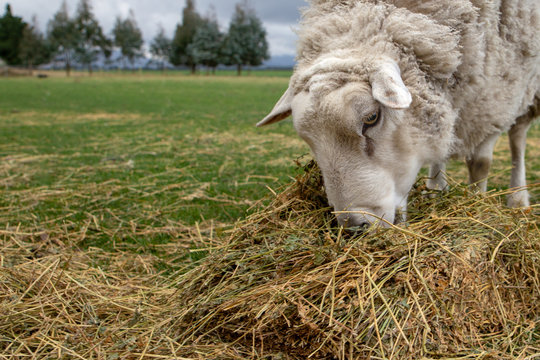
The price of these inputs is influenced by grain markets, transport costs, local availability and seasonal demand. If dry conditions affect large areas simultaneously, supplementary feed can become more expensive precisely when producers need it most.
For lamb-finishing operations, the economics are particularly sensitive. A high finished-lamb price may appear attractive, but the margin can narrow if feeder lambs are also expensive and the cost of producing additional live weight increases.
The relevant calculation is not simply how much the finished lamb will sell for. It is whether the additional value generated during finishing exceeds the cost of feed, labour, animal health, finance and the risk associated with keeping the animal.
Breeding enterprises face similar decisions. Maintaining ewe condition is essential for reproduction, but indiscriminate feeding can increase expenditure without delivering a corresponding improvement in performance.
Grouping animals according to nutritional requirements, monitoring body condition and making timely marketing decisions can help direct limited feed resources towards the animals most likely to contribute to future income.
The profitable farmer is not necessarily the one who spends the least on feed. It is the one who uses available feed efficiently enough to protect reproduction, growth and the long-term productivity of the flock.
Every lamb lost to predators is becoming more expensive
Predation remains one of the most persistent challenges facing South African sheep producers, particularly in extensive farming regions where animals graze over large areas. Black-backed jackal and caracal continue to cause losses, and the financial consequences become more significant as the value of marketable lambs increases.

A predator does not merely remove one animal from the flock. It destroys the potential return on months of breeding, gestation, feeding, animal-health expenditure and management. When the animal is approaching market readiness, the farmer also loses the revenue that would otherwise have been received at slaughter.
At carcass prices exceeding R100/kg, preventing avoidable losses becomes especially important. A relatively small number of lambs lost during a season can represent a substantial reduction in income, particularly for smaller enterprises operating with limited margins.
Research into predator behaviour may eventually help producers refine their management strategies. Work associated with Stellenbosch University has explored cameras, biotelemetry and environmental monitoring to improve understanding of black-backed jackal movements and behaviour.
Such research is valuable because predator management is rarely a matter of finding one simple solution. The effectiveness of fencing, supervision, guardian animals and other measures depends on the farming environment, predator behaviour and the resources available to the producer.
The most profitable approach is likely to involve an integrated strategy that considers effectiveness, cost, animal welfare, applicable regulations and long-term sustainability.
For the sheep farmer, predator management should be treated as part of production planning rather than an expense considered only after losses occur. Protecting the lamb crop is essential to converting favourable market prices into actual income.
Reproduction remains the foundation of profitable sheep farming
When lamb and wool markets are strong, it is tempting to concentrate on the value of individual animals or exceptional wool clips. Yet the long-term profitability of a breeding enterprise depends heavily on what happens before those products reach the market.
The number of lambs weaned and marketed relative to the breeding flock remains one of the most important measures of performance. A farmer may own animals with excellent genetics and produce valuable wool, but if too few lambs survive to sale, the financial result can still be disappointing.
Reproductive performance begins with the condition of the breeding ewe. Adequate nutrition before mating, appropriate ram management, sound animal-health practices and careful attention during pregnancy and lambing all influence the eventual number of marketable animals.
Lamb survival is equally important. Losses associated with difficult births, exposure, disease, inadequate milk production, poor mothering or predation reduce the number of animals available for sale while many breeding costs remain unchanged.
A profitable flock must also maintain an appropriate balance between productive breeding animals and replacements. Retaining too few suitable young females can weaken future performance, while retaining excessive replacements may place unnecessary pressure on grazing and delay cash income.
These decisions require reliable records. Conception rates, lambing percentages, weaning performance, mortality, wool production and marketing results provide the information needed to identify weaknesses and improve the enterprise.
Without such records, high prices can disguise poor production efficiency. A farmer may celebrate an attractive selling price without recognising that too few lambs were produced or that the cost of maintaining the breeding flock has increased beyond sustainable levels.
The most profitable enterprises understand the relationship between biological performance and financial performance. They measure not only what the market pays, but also what the flock produces for every rand invested.
Wool quality begins long before the shearing shed
The value of the wool cheque is influenced by decisions made throughout the production year. Genetics establish much of the potential fibre profile, but nutrition, animal health and environmental conditions can influence the quality ultimately delivered.
Periods of nutritional stress may affect wool growth and strength, while contamination from vegetable matter, poor handling or inappropriate storage can reduce the commercial attractiveness of a clip. Even where the market is strong, avoidable quality problems can limit the price received.
Preparation at shearing is therefore an important part of profitable wool production. Correct classing helps buyers identify wool with consistent characteristics, while careful handling and suitable packaging protect the clip from contamination and unnecessary damage.
For producers seeking to supply fine-wool or certified markets, consistency becomes particularly valuable. Buyers need confidence that the wool purchased will meet the specifications required by their processing and manufacturing operations.
However, wool quality must always be considered alongside the other characteristics required from a dual-purpose flock. Selection for finer fibre should not come at the expense of fertility, adaptability, growth or the ability to produce marketable lambs under the farm’s conditions.
The most profitable breeding objective is not necessarily the finest possible wool or the greatest fleece weight. It is the combination of characteristics that delivers the strongest sustainable return from the entire enterprise.
More sheep do not necessarily mean a more profitable farm
One of the most important lessons from the current market is that farmers do not always need to increase flock numbers to improve their financial position. In areas where grazing is limited, expanding the flock may increase feed costs, management demands and exposure to drought.
More animals require more forage, water, labour and protection. If stocking rates exceed the productive capacity of the veld, individual animal performance can deteriorate and the long-term condition of the grazing resource may suffer.
An alternative is to improve the productivity of the existing flock. Better reproduction, stronger lamb survival, improved wool preparation and more effective marketing can increase revenue without requiring a proportional increase in animal numbers.
Reducing preventable lamb losses is particularly valuable. Every additional lamb successfully weaned and marketed contributes revenue without requiring the farmer to maintain another breeding ewe. Similarly, improvements in wool quality or clean yield may strengthen fibre income without expanding the flock.
The profitable objective should therefore be evaluated in terms of sustainable returns per breeding ewe, per hectare and per unit of capital employed. The most useful measure will depend on the production system, but the principle remains unchanged.
A larger flock is not automatically a better business. Under uncertain rainfall conditions, a manageable flock of productive animals may deliver a more profitable result than a larger flock that requires expensive supplementary feeding.
Consumers will ultimately influence how far lamb prices can rise
While producers understandably welcome stronger prices, the consumer remains an essential part of the sheep-meat economy. Lamb is already a relatively expensive protein, and further increases in retail prices may encourage households to change their purchasing behaviour.
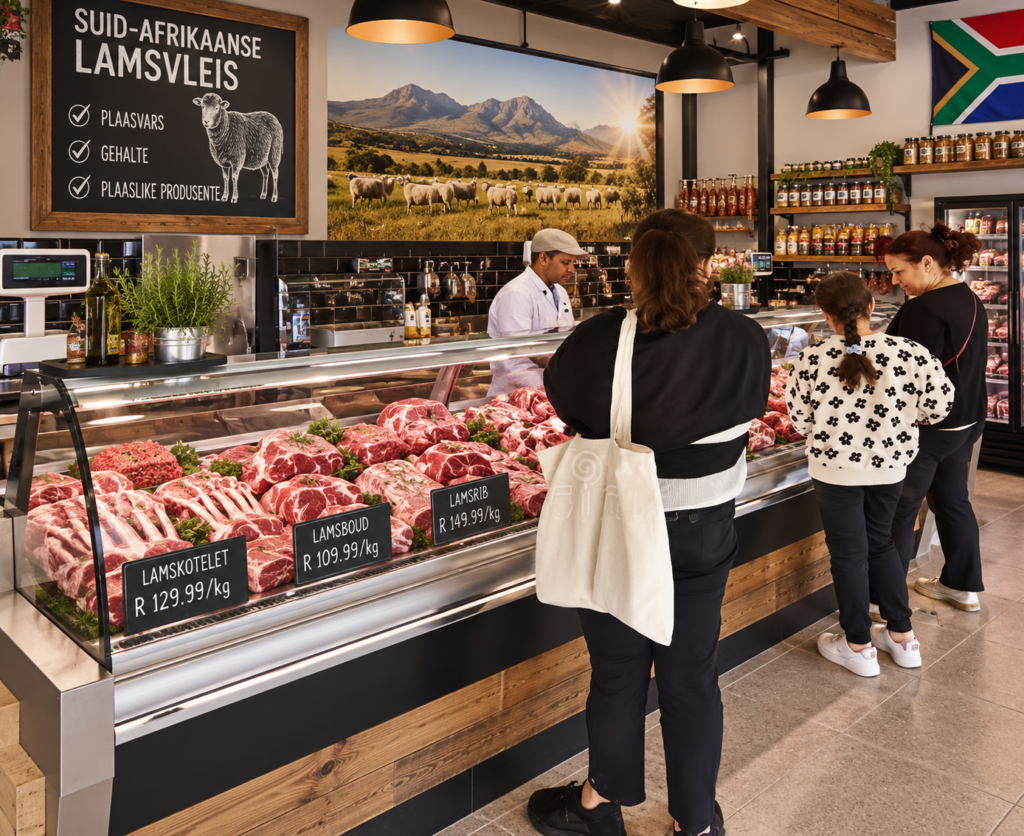
Some consumers may buy smaller quantities or reserve lamb for special occasions, while others may switch to chicken, pork or different beef products. These decisions influence demand at the retail counter and eventually affect the prices processors and wholesalers are prepared to pay further back in the supply chain.
Export markets can provide additional demand, but they cannot completely separate the domestic industry from the question of affordability. A profitable agricultural sector needs customers who can continue purchasing its products, whether those customers are in South Africa or overseas.
This creates a delicate balance between the interests of farmers, processors, retailers and consumers. Farmers require prices that cover production costs and reward investment, while consumers need access to food at prices they can afford.
The most sustainable outcome is therefore not necessarily the highest possible price in any one season. It is a market in which efficient production, dependable supply and product quality allow reasonable returns throughout the value chain.
For sheep farmers, maintaining profitability over time will depend as much on controlling costs and improving production efficiency as on the strength of the current lamb market.
Five questions about profitable sheep farming in South Africa
Is sheep farming profitable in South Africa in 2026?
Sheep farming can be profitable, particularly where producers combine strong lamb sales with valuable wool production and maintain good reproductive performance. The current market offers attractive prices, but profitability depends on grazing costs, feed requirements, mortality, animal health, labour and the productivity of the breeding flock. High prices alone do not guarantee a profit, and the financial outcome will vary considerably between farms and production systems.
Why are South African lamb prices above R100/kg?
The indicative A2/3 carcass price exceeded R100/kg in September 2026 against a background of relatively constrained supply and important export demand. International buyers compete for suitable sheep meat, while the approaching festive season may provide additional support for premium lamb cuts. However, retail affordability and changing consumer behaviour could limit further increases, making careful marketing important for profitable production.
What is the wool price in South Africa in October 2026?
At the Cape Wools auction held on 7 October 2026, the all-Merino indicator closed at R252.50/kg clean, while the certified wool indicator reached R258.30/kg clean. These are market indicators rather than guaranteed farm-gate prices. Actual returns depend on fibre quality, clean yield, certification, classing, buyer demand and marketing deductions. Profitable wool production requires understanding the realised value of the individual clip.
Are Merino and Dohne Merino sheep suitable for profitable dual-purpose farming?
Both breeds can be suitable for profitable dual-purpose enterprises, depending on the farm’s climate, grazing conditions and breeding objectives. Their attraction lies in generating wool income alongside lamb production. The most profitable choice depends on fertility, growth, wool quality, adaptability and the markets the producer intends to serve.
How could El Niño affect sheep farming profits in 2027?
El Niño can increase the risk of hotter and drier conditions in parts of South Africa, potentially reducing grazing availability and increasing supplementary feed and water costs. Poor nutrition can also affect ewe condition, reproduction and lamb growth. Farmers can reduce their exposure through realistic stocking rates, feed planning, veld management and careful monitoring, although actual rainfall outcomes will vary between regions.
Two cheques, but only one bottom line
There is something particularly appealing about the position South Africa’s dual-purpose sheep producers find themselves in as 2026 draws to a close. Lamb prices are already strong before festive demand reaches its peak, while wool has recovered from its late-September correction and continues to offer attractive returns for producers delivering desirable fibre.
Export markets are providing additional competition for quality sheep meat, and international textile buyers continue to value well-prepared Merino wool. For farmers who have invested in sound genetics, good management and consistent production, the opportunity to generate two meaningful income streams is difficult to ignore.
But this is not a guaranteed windfall. El Niño could increase feeding costs, predators may remove valuable lambs, wool markets can change rapidly and consumers may resist further increases in retail meat prices. The months ahead will therefore reward management as much as market timing.
A farmer entering summer with sensible stocking rates, adequate feed planning, productive breeding animals, sound animal-health practices, effective predator management and a well-prepared wool clip is better positioned to benefit from favourable prices.
That is the real attraction of the dual-purpose sheep. One flock can convert grazing into valuable animal protein while simultaneously producing natural fibre for demanding international markets.
At a time when many agricultural enterprises are struggling to balance rising costs against uncertain returns, South African sheep farming offers a compelling reminder that diversification can begin within the enterprise itself.
Two cheques from one flock may make 2026 a memorable year. The truly profitable achievement will be ensuring that enough of both cheques remains in the farmer’s pocket.
Written by: (M.O)