South African open-field producers know that soil does not stand still. It changes after every crop, every fertiliser programme, every irrigation cycle and every season of unusual weather. After a wet season, that change can become even more pronounced. Excessive rainfall, waterlogging and localised flooding can quietly shift the balance of the root zone long before the next crop is planted.
That is why soil pH deserves vital attention before the 2026 planting season.
In open-land farming, soil pH is more than a number on a laboratory report. It influences how efficiently crops use fertiliser, how roots develop, how available key nutrients become, and how strongly plants establish during the early growth stages. When pH slips too low, even a well-planned fertiliser programme may underperform because nutrients are present in the soil but not fully available to the plant.
Micronised lime has become an important part of this discussion because it offers farmers a faster, more targeted way to correct acidity in the active root zone. It does not replace good soil science. It does not remove the need for conventional agricultural lime where deep, long-term correction is required. But where speed, placement and root-zone correction matter, micronised lime can play a vital role.
This subject will also be featured in the July/August 2026 edition of Nufarmer Africa Magazine, available under the Publications tab.
Why Soil pH Is Vital After a Wet Season
A wet season can create the impression that soils are in a strong position because moisture levels are high and dams, profiles and catchments may have benefited. However, high rainfall can also move nutrients downward through the soil profile. Calcium, magnesium, potassium and other basic cations may leach from the upper root zone, especially in lighter soils or intensively farmed lands.
As these bases move out of the active feeding area, acidity can increase. This can reduce the availability of important nutrients and increase the risk of aluminium and manganese toxicity in sensitive soils. The result is often not immediately visible above ground. A crop may germinate, emerge and look acceptable at first, but later show weak root development, uneven growth, poor nutrient response or patchy performance.
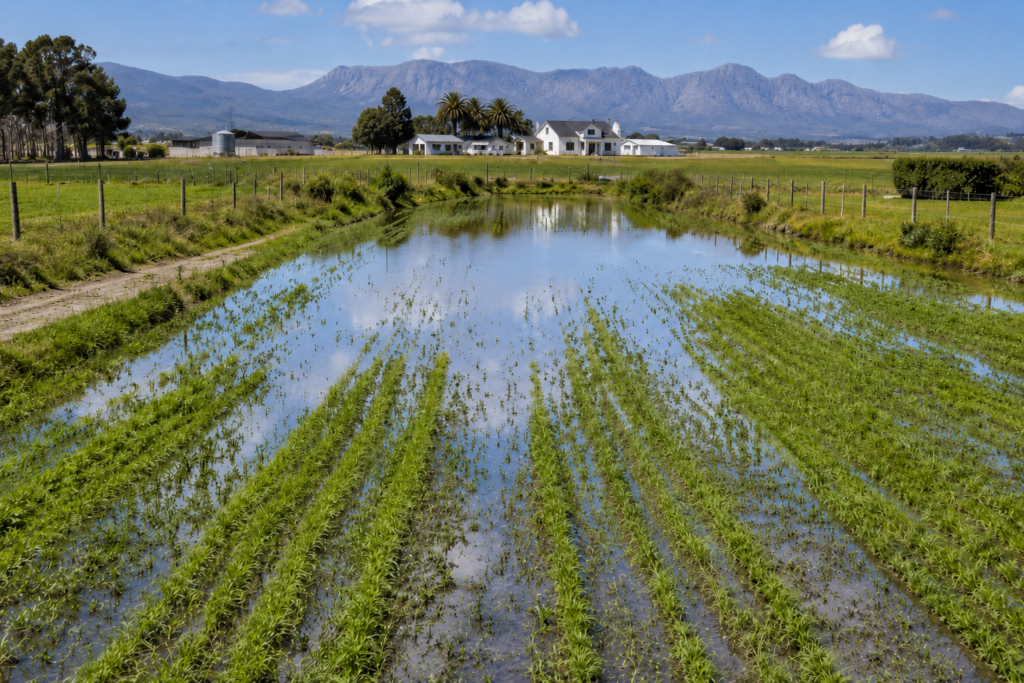
Flooding adds another layer of complexity. Waterlogged soils have limited oxygen, which changes soil chemistry temporarily. Once the soil drains and re-oxygenates, underlying acidity and nutrient imbalances may become more visible. This makes pre-plant testing vital, because last season’s soil status may no longer reflect current conditions.
For farmers heading into a new planting window, guessing is risky. Soil pH should be measured, interpreted and corrected according to crop needs, soil type, planting date and the depth at which acidity is limiting root activity.
What Is Micronised Lime?
Micronised lime is agricultural lime that has been ground much finer than conventional lime. The smaller the particle size, the greater the surface area exposed to soil moisture and acidity. This increased surface area allows the material to react faster in the treated zone when it is correctly applied.
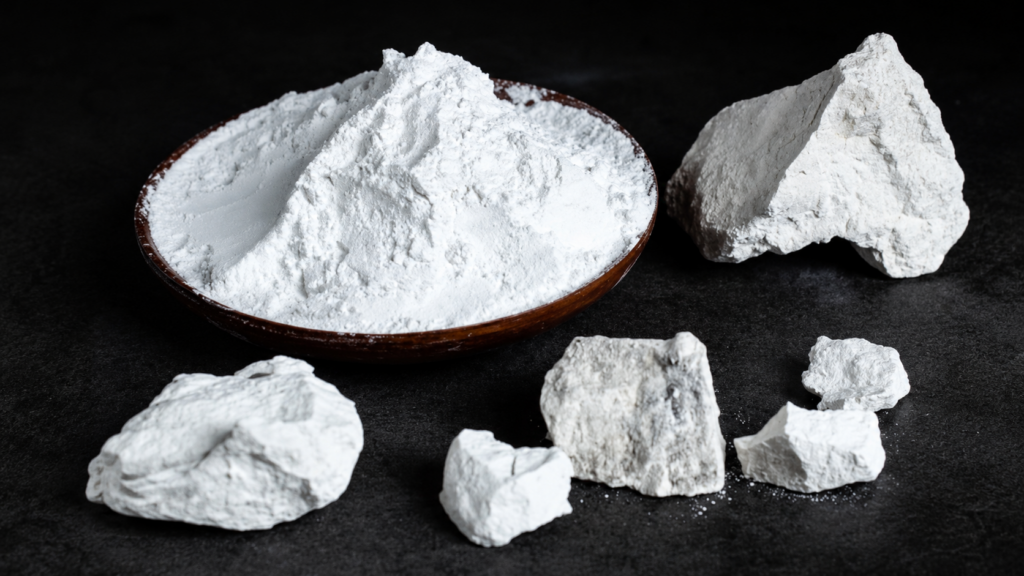
Micronised lime may be calcitic, mainly supplying calcium, or dolomitic, supplying both calcium and magnesium. The choice between calcitic and dolomitic material should be guided by soil analysis. If calcium is low but magnesium is sufficient or high, a calcitic source may be more suitable. If both calcium and magnesium need correction, a dolomitic source may be considered.
This distinction is vital. Farmers should not simply ask whether a product is “lime”. They should ask what type of lime it is, what its calcium carbonate equivalent is, how fine the particles are, whether it is registered for agricultural use, how it should be applied and whether the recommendation is based on soil test results.
In South Africa, liming materials are regulated under Act 36 of 1947. This means producers should be careful of broad marketing claims and should look for proper product information, registration details, application guidelines and agronomic recommendations.
Micronised Lime vs Conventional Agricultural Lime
Micronised lime is not automatically better than conventional agricultural lime. It is different, and that difference matters.
Conventional agricultural lime remains one of the most proven and economical ways to correct soil acidity over large areas. Where a farmer has time before planting and can spread and incorporate lime properly, conventional lime remains the backbone of long-term correction in grain, pasture and open-field systems.
Micronised lime is more suited to situations where a faster reaction is needed in a specific soil zone. Because of its fine particle size, it can react more quickly when it has good soil contact and enough moisture. Some ultra-fine products can also be suspended in water and applied through boom sprayers or irrigation systems, depending on the product formulation and label recommendations.
This makes micronised lime especially useful when the production window is tight, when acidity is concentrated in the upper soil layer, or when farmers need more flexible application options. However, it should not be presented as a miracle replacement for tonnes of conventional lime where soil tests show a major lime requirement.
The vital point is this: conventional lime supports long-term soil correction, while micronised lime can support faster root-zone correction when used correctly.
Why Micronised Lime Matters in Open-Field Vegetable Production
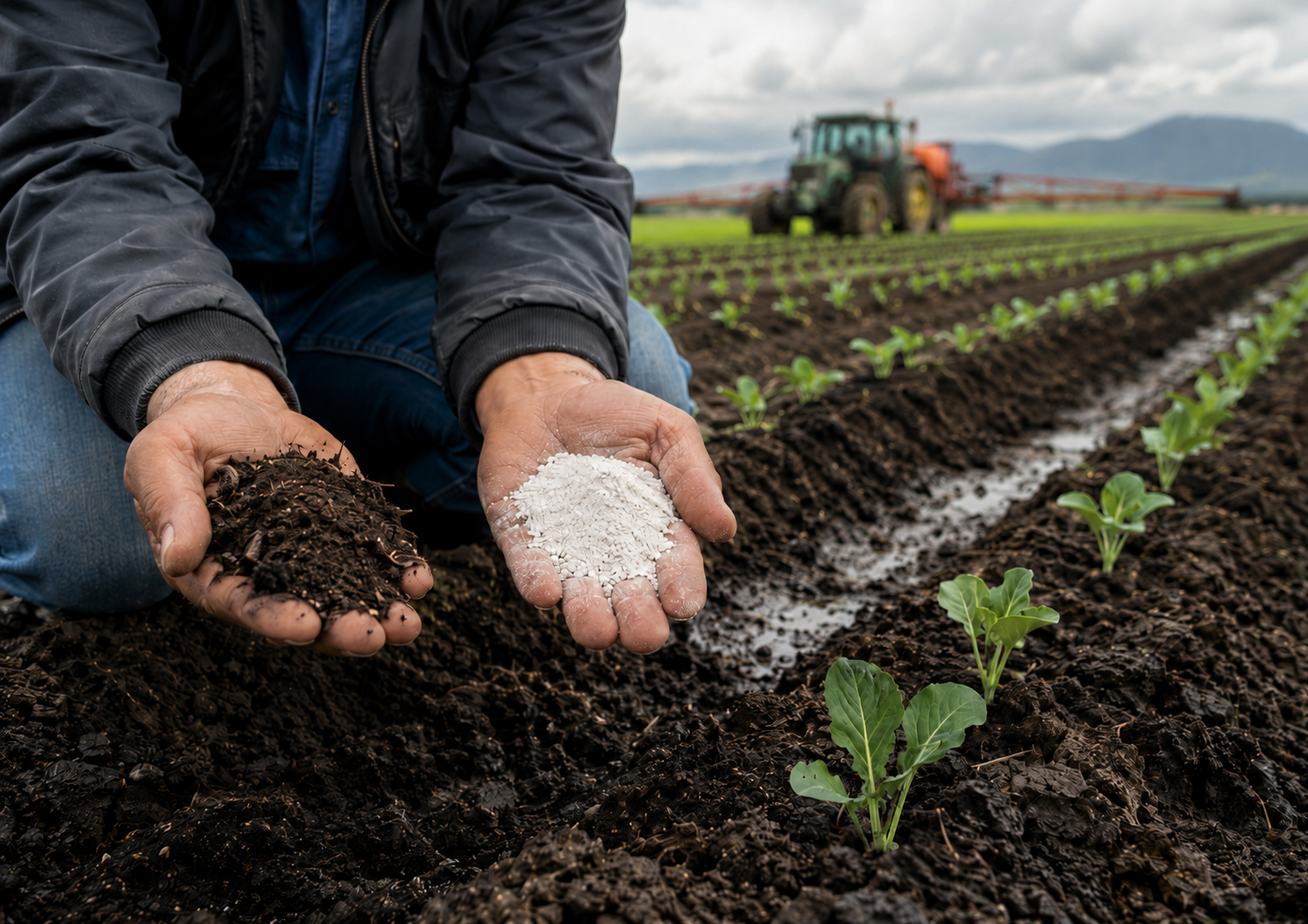
Open-field vegetable production places intense pressure on the topsoil. Many vegetables depend heavily on the upper 10 to 20 cm of soil during early establishment. This is where roots first explore, where fertiliser is often placed, where irrigation affects nutrient movement, and where pH imbalances can quickly influence uniformity.
Crops such as onions, cabbages, lettuce, tomatoes, peppers, potatoes, carrots and cucurbits rely on strong early root growth. If the root zone is acidic, young plants may struggle to access phosphorus, calcium and other nutrients efficiently. Poor root development can then affect stand uniformity, plant vigour and yield potential.
Vegetable systems are also intensive. Fields may receive repeated fertiliser applications, regular irrigation and short-cycle rotations. Nitrogen fertilisers, especially ammonium-based sources, can contribute to soil acidification over time. Where this acidification is concentrated near the surface, a faster-acting lime material may be a vital part of a planned pH management programme.
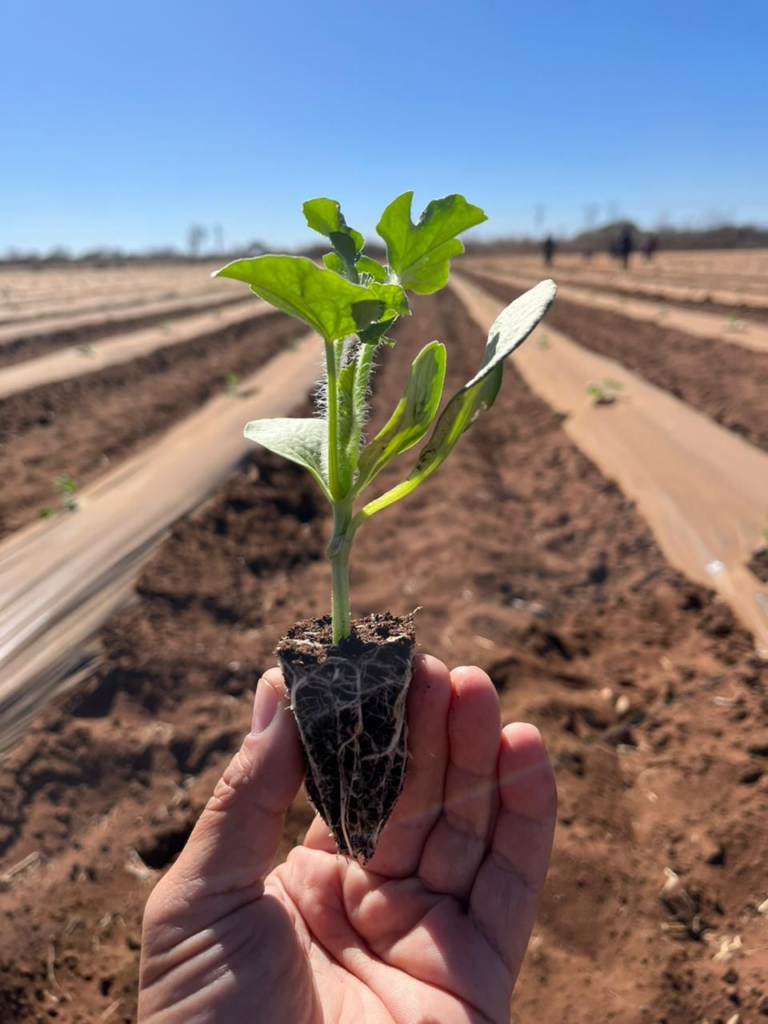
Micronised lime can be particularly useful where farmers need to correct the active feeding zone before planting or during a tight production cycle. The value is not only in lifting pH. The real value is in improving the environment where young roots must establish quickly and efficiently.
Why Soil Testing Comes First
No lime recommendation should begin with the product. It should begin with the soil.
A proper soil test helps identify pH, exchangeable acidity, calcium levels, magnesium levels, potassium levels, base saturation and other factors that influence lime requirement. Without this information, a farmer cannot confidently decide whether calcitic or dolomitic lime is needed, how much should be applied, or where the correction should be targeted.
This is vital because over-liming can also create problems. If pH is pushed too high, nutrient availability may be affected, and the balance between calcium, magnesium and potassium can shift. Applying the wrong product at the wrong rate can create new problems while trying to solve old ones.
Farmers should also consider sampling depth. A standard topsoil sample may show one part of the picture, but acidity can vary with depth. In open-field systems, the upper layer may be the immediate concern for early crop establishment, while deeper acidity may require a longer-term correction strategy.
Micronised lime works best when the acidity problem is clearly identified. It should be used as part of a soil management plan, not as a guess before planting.
When Should Farmers Apply Micronised Lime?
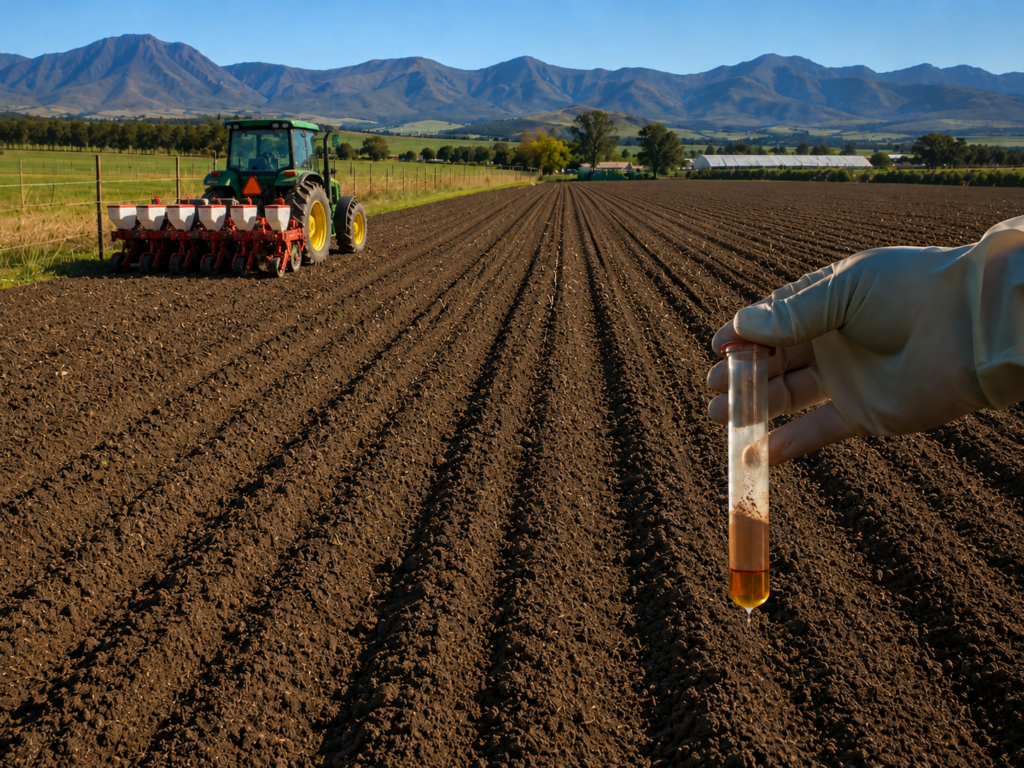
The best time to apply lime is before the crop is planted, based on soil test results. Conventional lime is usually applied weeks or months ahead of planting and incorporated into the soil. This allows time for the material to react and correct acidity through the target soil layer.
Micronised lime can offer more flexibility because it reacts faster, but it still needs the basics: soil contact, moisture and correct placement. Fine particles do not perform properly if they are not placed where acidity is limiting crop growth.
After a wet season, timing becomes even more vital. If rainfall has leached bases from the topsoil, farmers should test early enough to correct the root zone before seedling establishment. This is especially important in vegetable crops, where early root vigour is closely linked to crop uniformity and harvest quality.
In grain and pasture systems, micronised lime may be considered where topsoil acidity is limiting establishment, where time is limited, or where targeted correction is needed. However, if the soil test shows a deeper or larger acidity problem, conventional lime and proper incorporation may still be required as part of a long-term programme.
The Main Advantages of Micronised Lime in Open-Land Farming
Micronised lime can offer several practical advantages when used correctly.
First, it can react faster in the treated zone because of its fine particle size. This can be valuable when there is limited time before planting or when farmers want to address acidity close to the active root zone.
Second, it can support calcium availability. Calcium is vital for root development, cell wall strength and overall plant structure. In acidic soils, calcium availability may be limited, and root systems may not develop as strongly as they should.
Third, correcting pH can improve nutrient efficiency. Phosphorus, for example, becomes less available in strongly acidic soils. By improving pH in the active root zone, farmers can improve the crop’s ability to use nutrients that are already present or applied through fertiliser programmes.
Fourth, reducing acidity can lower the risk of aluminium and manganese toxicity. These toxicities can damage roots, restrict nutrient uptake and reduce growth. This is particularly important in sensitive crops and soils where acidity has built up over time.
Fifth, micronised lime may be easier to apply in specific systems, especially where suitable products can be suspended in water and applied through appropriate equipment. This may assist farmers who need targeted correction without the same handling volumes associated with bulk lime.
The Limitations Farmers Should Not Ignore
Micronised lime has clear advantages, but those advantages should be understood correctly.
It is usually more expensive per kilogram than conventional agricultural lime. This does not mean it is too expensive to use, but it does mean the application must be justified by the crop, timing, soil test and target zone.
Very fine lime can also be difficult to handle unless it is granulated, suspended or formulated correctly. Product formulation matters. If a granulated microfine product does not disperse properly in the soil, it may create uneven pH effects, with over-limed zones close to the granules and under-limed zones further away.
Compatibility is another vital consideration. Some micronised lime products may not be compatible with pH-sensitive insecticides, fungicides or herbicides. Farmers should always check the product label, consult the supplier and avoid tank mixes that may reduce product performance or create crop safety risks.
Most importantly, micronised lime should not be sold as a simple replacement for all conventional lime requirements. If a soil test shows that tonnes of lime are needed to correct a major soil acidity problem, a few kilograms of micronised lime should not be treated as a complete substitute. It may support faster surface correction, but long-term correction may still require bulk lime, time and incorporation.
Scientific Support for Faster Reaction
The science behind micronised lime is based on a simple principle: finer particles have more surface area. More surface area means more contact with soil moisture and acidity, which supports faster reaction in the soil.
Research reported in South Africa has shown that microfine calcitic lime and hydrated lime can increase soil pH faster under controlled conditions than coarser materials. This supports the principle that fineness affects reaction speed.
However, research also cautions against assuming that all microfine or granulated products behave the same way. Product formulation, dispersion, placement and application rate all matter. A well-formulated micronised lime product that disperses correctly in the target zone can perform very differently from a product that remains patchy or poorly distributed.
This makes the agronomic recommendation vital. Farmers should not only compare particle size. They should also ask how the product behaves in the field, how it should be applied, how quickly it disperses, and what soil conditions are needed for effective reaction.
The Vital Topsoil Advantage
In many open-field systems, the topsoil carries the greatest early-season pressure. Young roots establish there. Fertiliser is placed there. Irrigation and rainfall move nutrients through that zone. If pH is wrong in that layer, the crop can be affected from the beginning.
This is where micronised lime becomes especially relevant. Its finer particle size allows it to react faster where soil contact and moisture are present. For high-value vegetable crops, this can be vital when farmers need quicker correction before planting or during a tight crop rotation.
The greatest benefit is not simply the adjustment of pH. The benefit is a better root environment. A balanced topsoil pH can support calcium availability, reduce acid stress, improve phosphorus efficiency and help young plants develop stronger root systems.
A healthier root zone also gives crops a better foundation to handle other stresses. Heat, cold, dry spells, waterlogging, pest pressure and nutrient demand all become harder to manage when roots are weak. Soil correction is therefore not only a chemical decision. It is a crop resilience decision.
Micronised Lime in Grain, Pasture and Row Crop Systems
Although micronised lime is often discussed in relation to vegetables and intensive production, it may also have a role in grain, pasture and row crop systems. In these systems, the main question is usually scale.
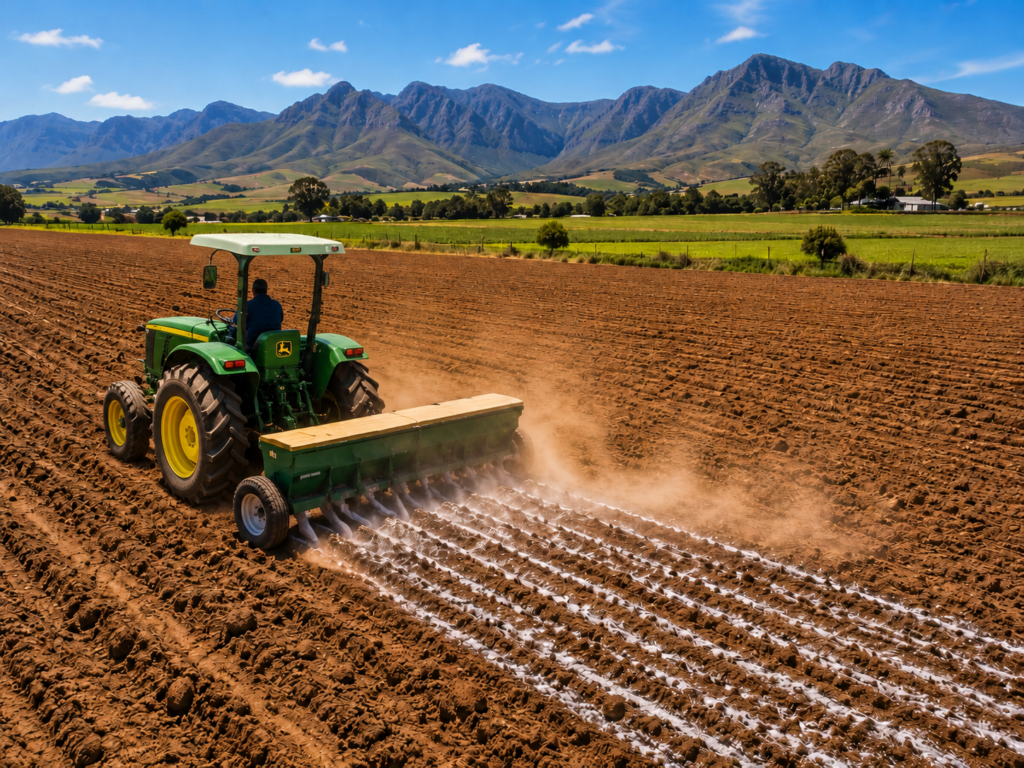
Conventional lime remains the most economical choice for broad, long-term soil acidity correction across large areas. Where soil tests show widespread acidity and there is enough time for application and incorporation, conventional lime should remain the foundation.
Micronised lime may be useful where targeted correction is needed, where establishment is sensitive, or where acidity is concentrated near the surface. It may also assist in minimum-till or no-till systems where incorporation is limited and surface-zone correction is needed.
The decision should depend on the lime requirement, the crop value, the planting window and the depth of acidity. This is vital because the right answer may not be one product or the other. In some cases, the best programme may include conventional lime for long-term correction and micronised lime for faster, targeted support.
What About Established Orchards and Vineyards?
Established orchards and vineyards require a more cautious approach. Once trees or vines are planted, deep incorporation is no longer possible without damaging roots. This means surface-applied lime will not immediately correct acidity deeper in the soil profile.
Micronised lime may still be useful as a maintenance or corrective tool in the surface soil and active feeder-root zone, especially under drip or micro-irrigation. It can be applied to the wetted strip or under the tree row where roots are active and where acidity is limiting nutrient uptake.
However, it should not be marketed as a quick fix for the full soil profile in established orchards. If deeper acidity is present, the correction strategy may require a longer-term plan and careful management.
For orchards and vineyards, soil and leaf analysis should be used together. Soil tests show the chemical condition of the root zone, while leaf analysis helps show what the plant is actually taking up. Together, they provide a clearer basis for deciding whether calcitic or dolomitic micronised lime is appropriate.
World Focus Agri and Micronised Lime Solutions
World Focus Agri supplies products for soil remediation, plant nutrition and plant energy management. In the micronised lime category, products such as Complex Calsus and CCM show how liming is moving beyond bulk correction alone toward more technical root-zone management.
Complex Calsus is positioned as an ultra-fine calcitic lime and calcium source, while CCM is positioned as an ultra-fine dolomitic lime. These types of products are designed for situations where farmers need faster, targeted attention in the active root zone.
As with any liming product, the value lies in correct use. Product choice should be linked to soil analysis, crop requirement, application method and timing. Farmers should also follow product-specific guidance regarding suspension, water volume, compatibility and application equipment.
The vital message is that micronised lime is not just about applying less material. It is about applying the right material, in the right zone, at the right time, for the right agronomic reason.
Practical Checklist Before Applying Micronised Lime
Before applying micronised lime, farmers should work through a practical checklist:

1. Test the soil first
Do not rely on visual crop symptoms alone. Soil analysis is vital for identifying pH, calcium, magnesium, acid saturation and lime requirement.
2. Identify the target zone
Decide whether the acidity problem is in the topsoil, the seedling root zone, the active feeder-root zone or deeper in the profile.
3. Choose calcitic or dolomitic lime correctly
Use calcitic lime where calcium is needed and magnesium is sufficient. Use dolomitic lime where both calcium and magnesium require attention.
4. Match the product to the timing
If planting is weeks away, conventional lime may still be suitable. If the window is tight and surface correction is needed, micronised lime may offer vital flexibility.
5. Check compatibility
Do not mix micronised lime products with pH-sensitive crop protection products unless the supplier confirms compatibility.
6. Follow the label and recommendation
Application rate, water volume, suspension quality and equipment choice all influence performance.
7. Monitor the result
Follow-up testing can help confirm whether pH correction is moving in the right direction and whether further long-term correction is needed.
Why Micronised Lime Supports Fertiliser Efficiency
Fertiliser is one of the largest input costs in open-field production. When soil pH is too low, fertiliser efficiency can decline. Nutrients may be present but less available to the crop, or roots may be too restricted to take them up effectively.
Correcting acidity can improve the crop’s ability to use applied nutrients. This is especially important in high-value vegetable crops, where fertiliser programmes are intensive and timing is precise. If pH is limiting uptake during early growth, later applications may not fully compensate for weak establishment.
Micronised lime can support fertiliser efficiency by improving the chemical environment in the active root zone. Better pH balance can improve phosphorus availability, support calcium uptake and reduce acid-related root stress.
This is vital in modern farming, where profit margins depend not only on how much fertiliser is applied, but on how efficiently plants can use it.
The 2026 Planting Season: A Practical Reset
For many South African producers, the 2026 planting season should begin with a soil reset. The past wet season has made this especially important, but the principle applies even in normal rainfall areas.
Fields that have been intensively cropped, repeatedly fertilised or irrigated over many seasons may develop acidity in the upper soil layer. This can affect root growth, nutrient uptake and crop uniformity even without flood damage.
Micronised lime should therefore not be seen only as a flood-recovery tool. It also has a strong place in normal rainfall areas where farmers need to manage the topsoil and active root zone more precisely.
(M.O)