Introduction
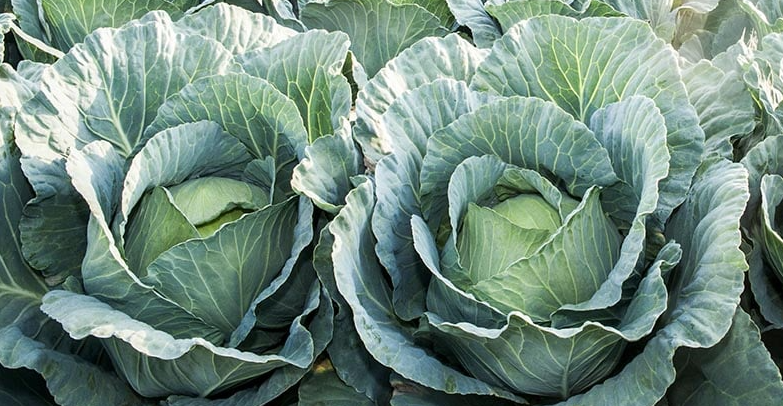
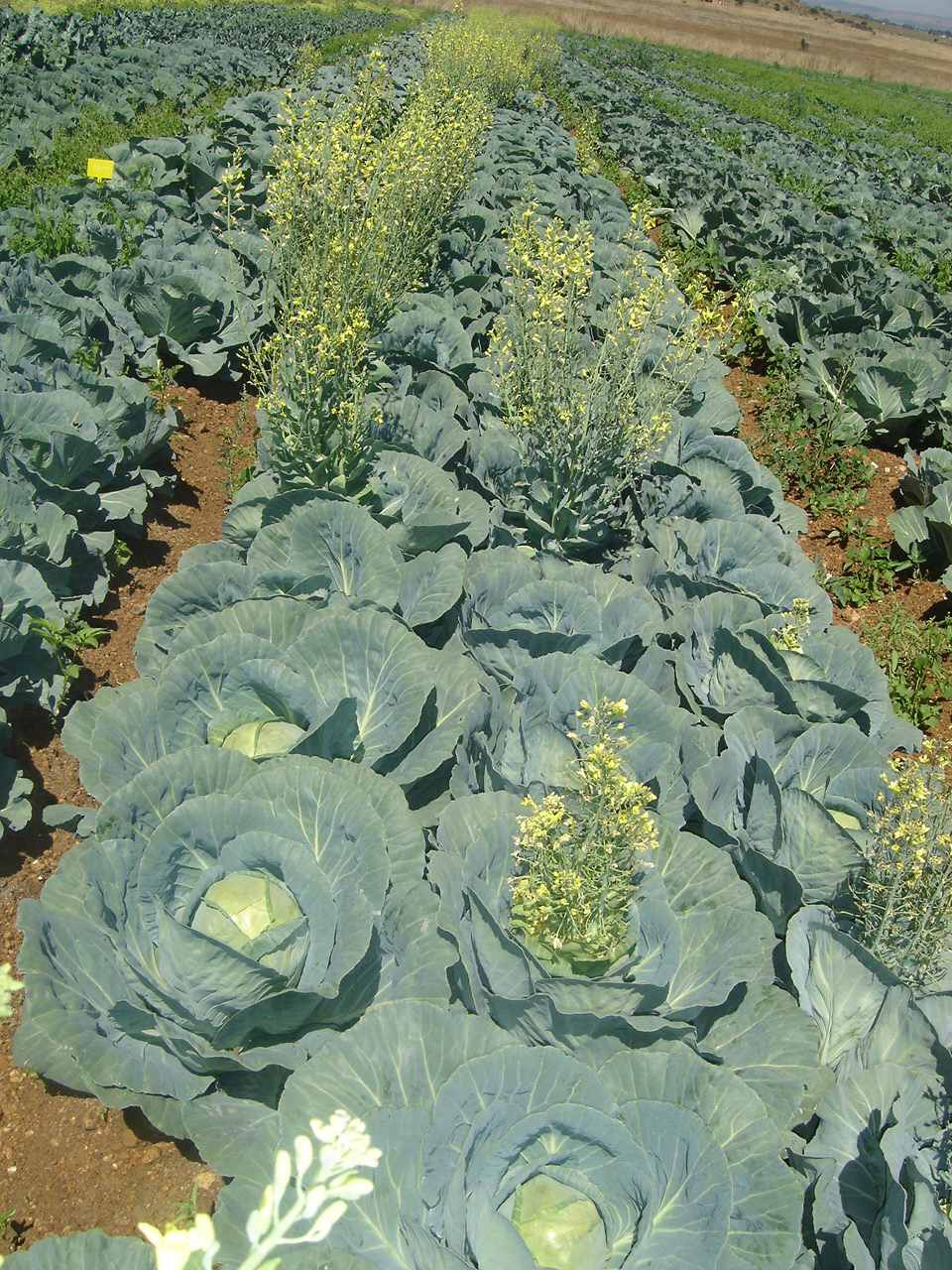
Winter bolting in cabbage is one of the most frustrating production risks for growers because it can turn a healthy-looking crop into an unmarketable one. In vegetable crops, bolting refers to the plant flowering and producing seed prematurely. In a cabbage crop, this would result in the produce being unmarketable and therefore reduced income.
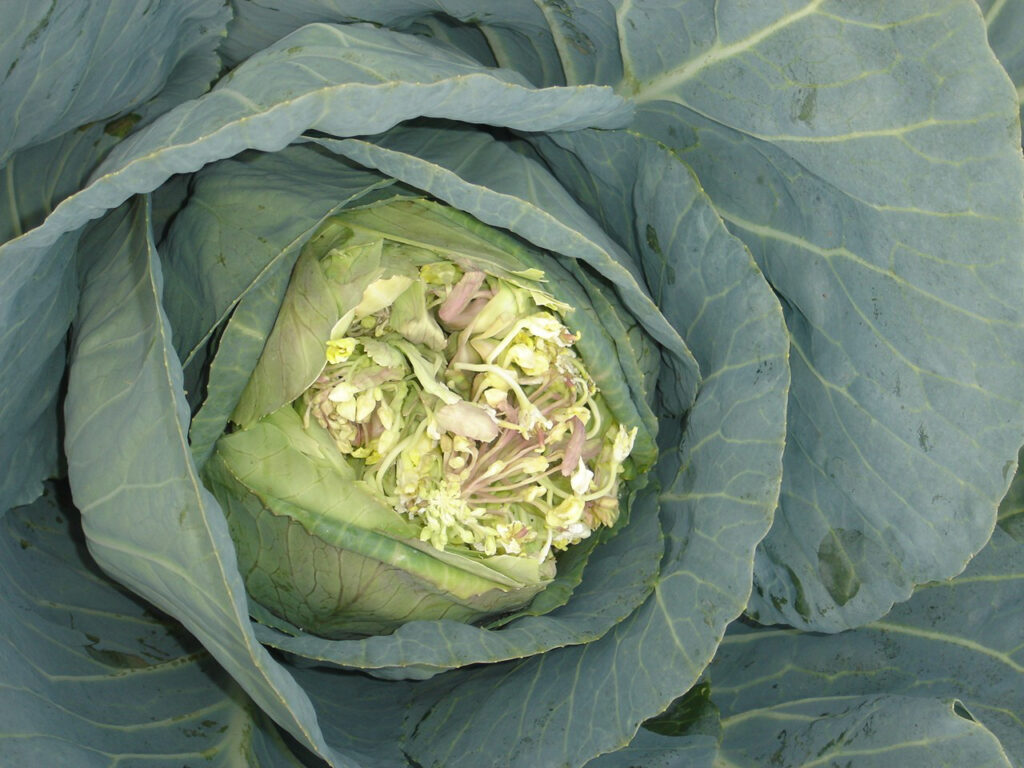
Sakata highlights that bolting in cabbage is generally triggered by cold weather and can be initiated fairly early in the plant’s development, with the bolting itself occurring when the plant is more mature. This means that the damage is not always visible at the point where the process begins. A crop may appear to be progressing normally, while the plant has already been exposed to the conditions that trigger premature seed shoot development later in the season.
For this reason, winter cabbage production requires more than routine crop management. It calls for a resilient approach that considers seedling size, nursery conditions, fertility, weather patterns, field selection, variety choice and growth checks. The grower’s goal is not only to respond to bolting when it appears, but to reduce the likelihood of bolting before it starts.
It is therefore extremely important that bolting is well understood so that preventative action can be taken in order to produce a marketable product. For commercial growers, this understanding can make the difference between a crop that reaches the market and one that suffers significant losses during or after a cold season.
What causes winter bolting in cabbage?
According to Sakata’s guidelines, the seedling has to have a leaf width of about 10 cm for bolting induction to occur. Bolting can then be induced by temperatures ranging from 5 to 15°C, but particularly below 7°C, provided seedlings are exposed to such cold for a lengthy period of time.
This is an important point for growers because it shows that winter bolting in cabbage is not only about cold temperatures. It is about the interaction between plant size, plant development stage, cold exposure and the length of time the plant remains under those conditions.
A small plant that has not reached the sensitive stage may not react in the same way as a larger, more advanced seedling. Once the plant has reached the induction size, cold weather becomes a much bigger production risk. This is why a resilient winter cabbage crop starts with careful planning before transplanting.
The length of cold required to induce bolting depends on a number of factors. These include seedbed fertility, seedling size at transplant, plant size at induction temperature, growth checks, diurnal swings, cold fronts, heat waves, variety maturity, heat susceptibility and whether seedlings were grown under cold conditions.
Factors inducing bolting
Fertility of seed beds
Seed beds and seedling trays that are over-fertilised will cause the plant to have premature seed shoot development. This, in turn causes the plant to rapidly grow and become large enough for bolting induction to occur.
This is one of the most practical areas where growers can reduce risk. Over-fertilisation may produce strong-looking seedlings, but excessive vigour is not always an advantage in winter cabbage production. If seedlings grow too quickly and become too large too early, they may reach the stage where cold temperatures can induce bolting.
Secondly, excess fertilizer, especially Nitrogen, favours leaf development over root development, which causes greater transplant shock. This is especially important in cold-season production because transplant shock can act as a growth check, weakening the crop’s resilience and shortening the response time after bolting induction.
A resilient seedling programme should therefore focus on balanced nutrition, not simply rapid top growth. Seedlings should be strong, but not pushed into excessive leaf development at the expense of roots.
Size of seedlings at transplant
Oversized, vigorous seedlings would be more inclined to bolt than smaller seedlings, for the same reasons as above.
This is a key Sakata guideline for growers planting through winter. Bigger seedlings may look attractive at transplanting, but they can carry more risk in colder periods. If they are already close to, or have reached, the sensitive size where induction can occur, cold exposure after transplanting may increase the risk of bolting.
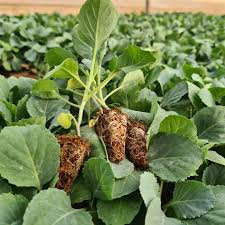
Smaller seedlings that are not oversized and too vigorous would be less inclined to bolt. For a resilient winter cabbage crop, growers should avoid using seedlings that have become too advanced in the nursery. The aim is to transplant seedlings that are ready, healthy and balanced, but not excessively large.
Size of plant at induction temperature
There is a minimum plant size required for bolting induction to occur. Generally, this size would be when the leaf width of the seedling is about 10 cm. This size would vary from variety to variety and would also be determined by the width of the growing point of the plant.
A variety with narrow leaves and a thick stem could be induced at a narrower leaf width. This means that growers cannot rely on a single visual rule for all varieties. Variety characteristics matter, and the plant’s growing point plays an important role in how sensitive it may be to cold induction.
For resilient planning, growers should understand the variety being planted and how it performs in the specific area and season. The same temperature event may not affect all varieties equally. This is why local experience, supplier guidance and cautious introduction of new lines are so important.
Growth checks
Once induction has taken place, the response time to bolting is influenced by a number of factors. If there is a growth check, then the response time is shortened and the plant can begin bolting quickly.
These growth checks can be caused by heat waves, drought, waterlogging, disease after induction size has been reached, fertiliser and phytotoxic sprays.
This is where winter cabbage management becomes especially important. Cold may initiate the risk, but stress after induction can accelerate the visible response. A cabbage plant that has already been induced may bolt faster if it experiences additional stress.
A resilient crop management plan must therefore reduce avoidable stress. This includes maintaining suitable irrigation, preventing waterlogging where possible, avoiding unnecessary phytotoxic spray damage, managing disease pressure and ensuring the crop does not experience severe nutrient stress.
Diurnal swings
Large diurnal swings are inclined to cause the plants to bolt very fast once induction has occurred. Induction would depend on the lower temperature of the diurnal swing.
In practical terms, this means growers should pay attention not only to daytime temperatures, but also to night-time lows. A field may experience relatively warm days, but if the night temperatures fall low enough, the crop may still be exposed to bolting induction conditions.
Large swings between cold nights and warmer days may increase stress on the crop. A resilient winter cabbage strategy must therefore include weather monitoring, especially during periods where cold fronts and warm spells follow each other closely.
Cold fronts and heat waves
Cold fronts produce low temperatures that may induce bolting, with heat waves shortening the response period. If there is a succession of such weather, bolting will rapidly occur.
This combination is especially risky. A cold front may create the induction conditions, and a heat wave may then accelerate the crop’s response. Where these weather events follow each other, growers may see bolting appear rapidly.
This is one reason why bolting can feel sudden in the field, even though the process may have started earlier. Resilient winter cabbage production requires growers to understand that the visible symptom is often the final stage of a longer process.
Maturity of the variety
Varieties that are late maturing can be more susceptible to bolting than those that are early maturing. The reason for this may be that the growing point of the plant, which is sensitive to cold, is quickly covered in early varieties. These plants will also head before the response time has taken effect.
Later maturing varieties are subjected to cold conditions for longer periods of time, which may cause increased stress and bolting induction.
This does not mean late-maturing varieties are unsuitable in all circumstances. It does mean that variety choice must match the planting slot, climate and production window. A resilient cabbage variety programme should consider whether the crop will be exposed to extended cold before heading.
Heat susceptibility of the plants
Heat resistant plants are more prone to bolting than heat susceptible varieties. To breed for heat resistance, one automatically predisposes the variety to get early induction to bolting.
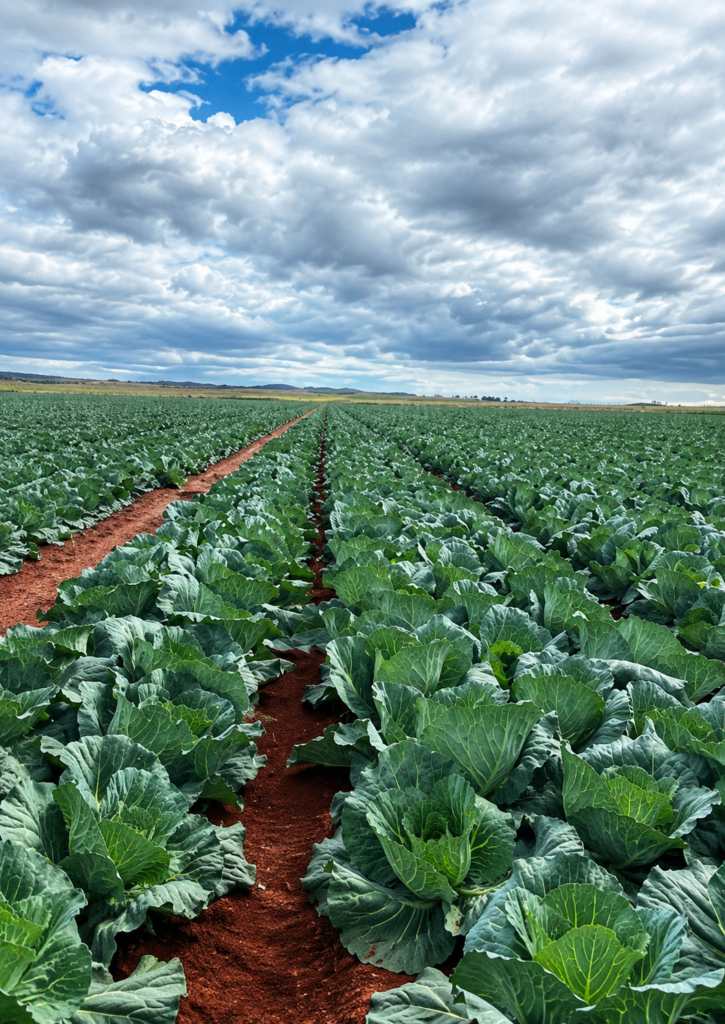
Sakata notes that selecting a safe variety for the whole year is difficult; therefore heat resistant and cold resistant varieties should be kept for their specific slot. Heat resistant varieties are also more inclined to be later maturing varieties.
This is one of the most important messages in the article. No single variety should be expected to perform equally well in every seasonal window. A resilient production system uses the correct variety in the correct slot, rather than forcing a variety into conditions for which it was not intended.
It is not wise to plant a variety to go through winter that is described as heat resistant.
Cold grown seedlings
It has been stated before that the plant is responsive to induction to bolt when the leaf blade becomes 10 cm in width. However, seedlings that are sown in very cold areas are more prone to bolting than those that come from warm areas and are transplanted into the same field.
This highlights the importance of nursery conditions. A grower may select a suitable field and variety but still carry risk if the seedlings were raised under cold conditions. The crop’s history before transplanting matters.
A resilient winter cabbage programme should therefore include a careful look at where seedlings are produced, how they are managed and whether the nursery environment is suitable for the intended planting window.
Reducing bolting incidence
Several measures can be taken to prevent excessive bolting of crops and should be carefully considered when a cold season is expected. It is important to be aware of those factors that induce bolting as discussed previously in order to counteract such conditions.
Manage seedbed fertility carefully
Seed beds should not be over-fertilised to prevent cold induction occurring at a young age. Nitrogen should not be added in excess as this will favour leaf development over that of the roots and causes transplant shock.
A resilient approach to winter bolting starts in the nursery. Balanced seedling growth is more valuable than excessive vigour. Strong roots help seedlings recover after transplanting and reduce stress during establishment.
Plant smaller, balanced seedlings
Plant smaller seedlings that are not over sized and too vigorous. These would be less inclined to bolt.
Growers should avoid the temptation to use seedlings that have become too advanced. In cold periods, the more resilient option may be to plant seedlings that are younger, balanced and less likely to have reached the sensitive induction stage.
Avoid growth checks after induction size
Be aware the growth checks caused by cold fronts, heat waves, drought, water logging, disease after induction size has been reached, fertilizer and phyto-toxic sprays will shorten the response time and the plant could go directly to seed.
This means that after the crop reaches the sensitive stage, growers must be especially careful. Stress events may push an already induced crop into rapid bolting. A resilient crop plan should therefore reduce stress wherever possible and monitor the crop closely after major weather events.
Use suitable nursery conditions
Ensure that seedlings are not grown in cold conditions and that the nursery is fairly warm. Choose a reputable nursery or take special care when growing your own seedlings.
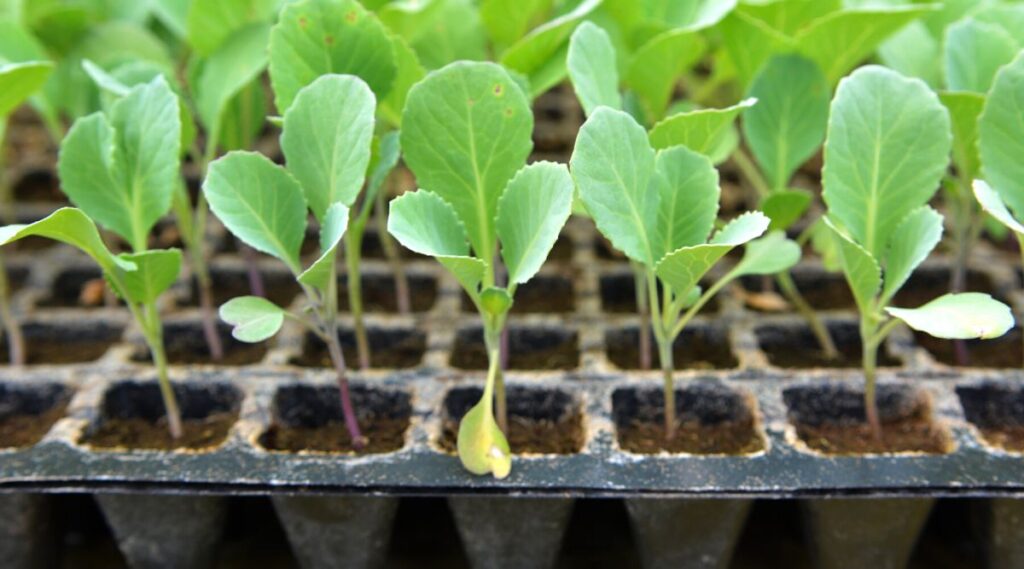
It is also better to obtain seedlings from a nursery in your area to avoid large changes in temperature from the nursery to the field.
This is practical and important. Local seedlings are often better adapted to local conditions, and using a reputable nursery can reduce the risk of cold-grown seedlings entering the production system. A resilient nursery-to-field transition helps reduce transplant shock and temperature stress.
Choose warmer fields
It is essential to plant on warmer fields and not to use areas that tend to be colder. Low lying areas tend to be much cooler and should therefore be avoided. Site selection is extremely important in the prevention of bolting.
Field selection can have a major impact on winter cabbage performance. Low-lying areas may collect colder air and expose crops to lower night temperatures. A resilient winter planting should favour warmer fields where possible, especially during periods where cold weather is expected.
Check for signs of bolting
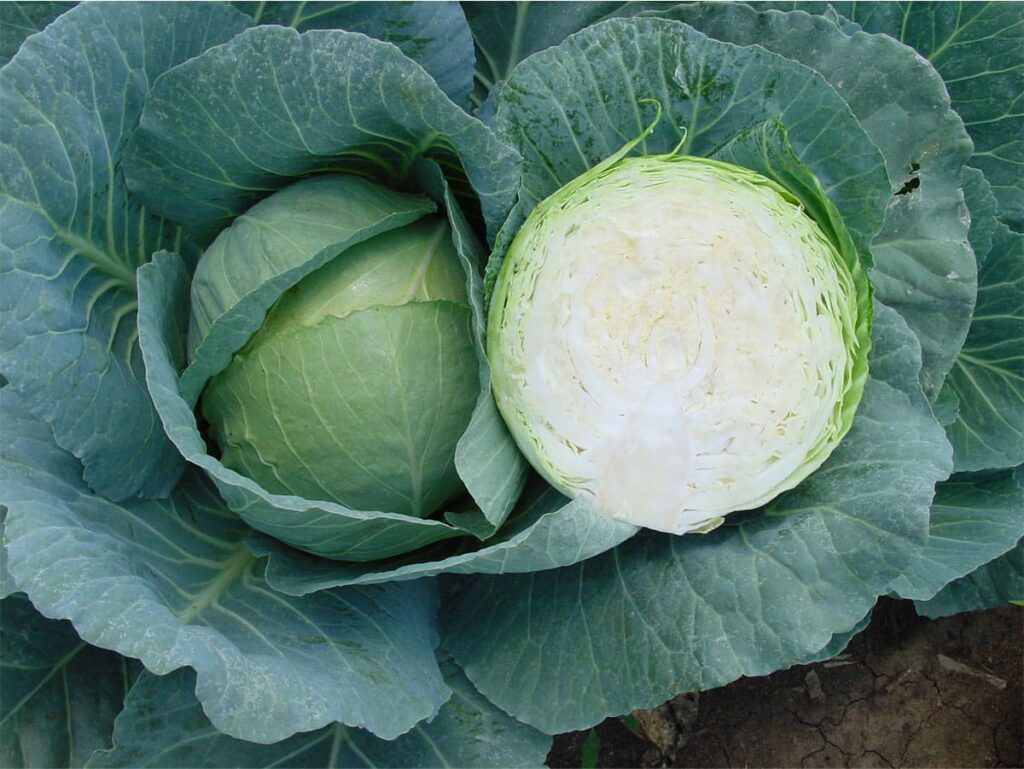
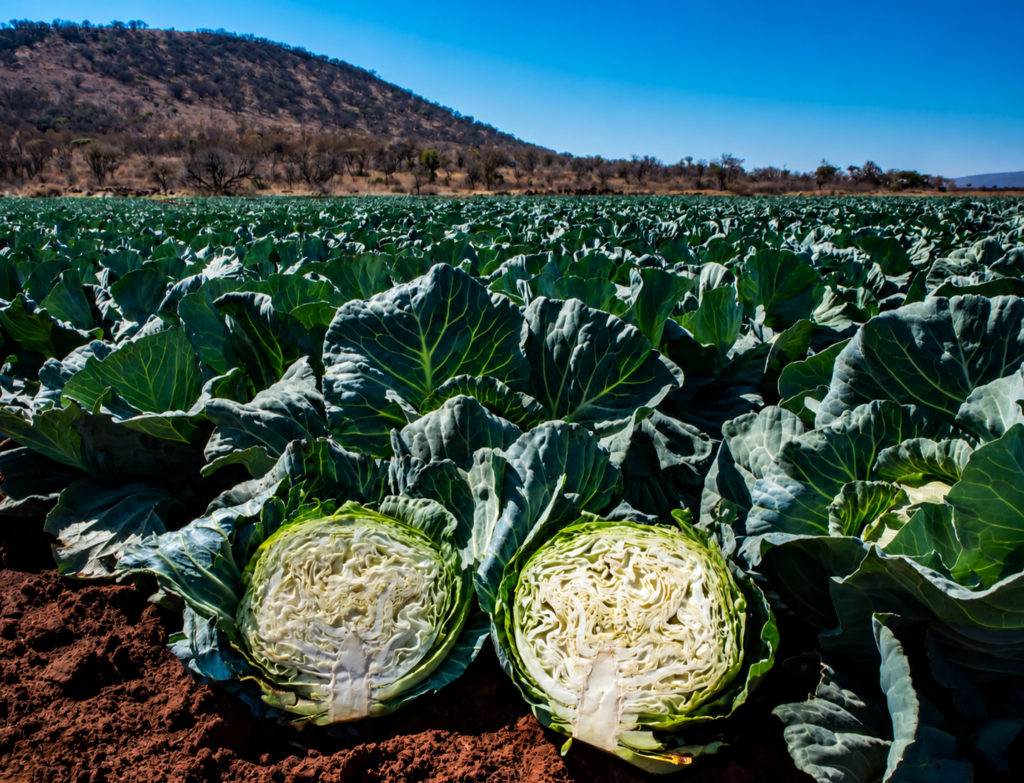
It is important to check for signs of bolting throughout the winter season. This can be easily done by cutting heads in half and checking core length.
If the core is extending it may be wise to harvest slightly earlier before bolting occurs. The heads may be smaller but will be marketable compared to those destroyed by bolting.
This is a practical management step that can protect income. Early harvesting may not be ideal, but it can be better than losing marketability entirely. A resilient harvesting decision is sometimes about preserving saleable product before the crop deteriorates.
Choose a good bolting-resistant variety
It is extremely important to choose a good variety that is bolting resistant to plant in cool times. However, it cannot be guaranteed that a variety will or will not bolt in an area.
One can say that a variety is resistant to bolting but the plant reaction will differ from year to year and according to area. The response of a particular variety to an area will vary due to growing techniques, the climate and the characteristics of the variety.
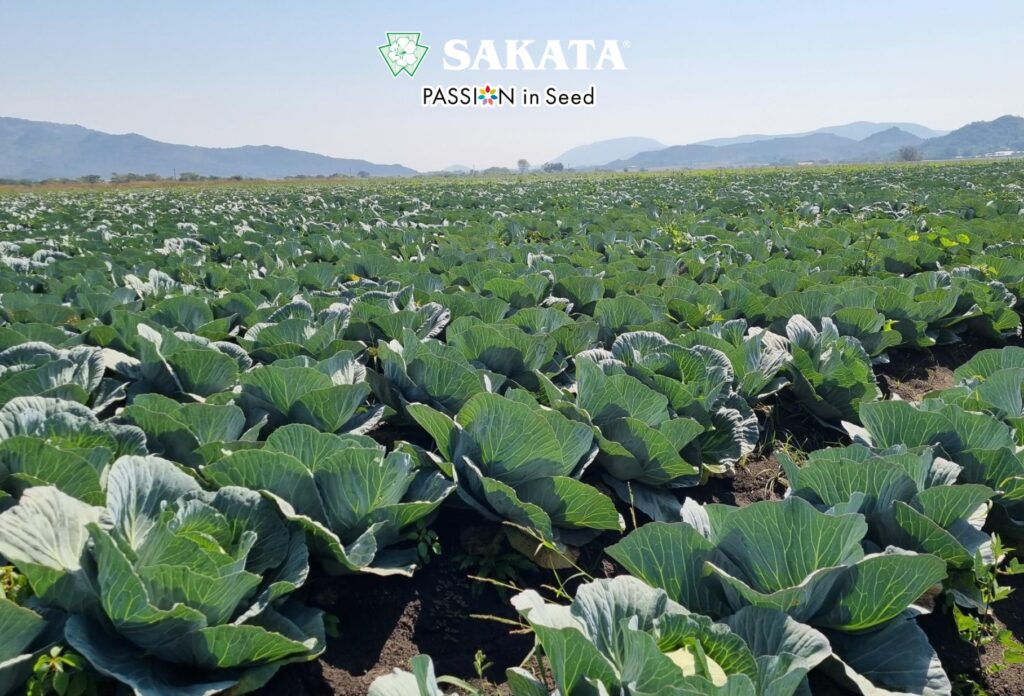
What should be emphasized is that caution should be taken with new lines introduced into a new area, until growing confidence has increased in the area. It is not wise to plant a variety to go through winter that is described as heat resistant.
This is where Sakata’s guidance is especially useful for commercial growers. Variety choice is not only a seed decision; it is a risk-management decision. The most resilient variety is the one matched correctly to the season, area and planting slot.
Why winter bolting is a whole-system issue
Winter bolting in cabbage is often blamed on cold weather alone. However, the Sakata guidelines show that bolting is more complex. Cold is the main trigger, but plant size, seedling vigour, fertilisation, nursery conditions, field temperature, weather swings, variety maturity and post-induction stress all interact.
This is why two growers in the same region may experience different results. One grower may use oversized seedlings from a cold nursery, plant in a low-lying field and select a heat-resistant variety for winter. Another may use balanced seedlings, a warmer field, suitable winter variety and careful stress management. Both may face the same cold front, but the outcome may differ.
A resilient cabbage production system reduces the number of risk factors lining up at the same time. It does not depend on one action alone. Instead, it combines good planning, suitable genetics, careful nursery management and close crop monitoring.
Practical checklist for growers
Before planting
Before planting, confirm that the selected variety is suitable for the cold season and the intended production slot. Avoid planting heat-resistant varieties through winter where bolting risk is high. Work with a reputable supplier or advisor and be cautious with new lines until confidence has been built in the area.
Select seedlings that are healthy and balanced, but not oversized or excessively vigorous. Check that seedlings have not been grown under very cold nursery conditions. Avoid over-fertilised seedlings, especially where Nitrogen has encouraged too much leaf growth and not enough root development.
During establishment
After transplanting, reduce transplant shock as far as possible. Maintain good irrigation practices, avoid drought stress and prevent waterlogging where possible. Monitor for disease and avoid phytotoxic sprays that may cause unnecessary plant stress.
Establishment is a sensitive time for winter cabbage. A resilient start can reduce later problems, especially where cold fronts are expected.
During winter growth
Monitor night temperatures and weather forecasts. Pay close attention to cold fronts followed by warm spells or heat waves, as this combination may increase bolting risk.
Inspect crops regularly. Where bolting is suspected, cut heads in half and check core length. If the core is extending, consider whether earlier harvesting may protect marketability.
Before harvest
If bolting signs are visible, waiting too long may reduce marketable yield. Smaller heads harvested earlier may still be sold, while bolted cabbage heads may become unmarketable.
This is where a resilient harvest decision can protect income. It is better to act early than to watch the crop move beyond marketable condition.
Conclusion
Many varieties which do not normally bolt, may bolt in a particular year and over a wide area due to a very cold winter or other contributing factor. This winter is expected to be very cold and therefore measures should be taken to prevent bolting wherever possible.
Understanding the factors that induce bolting is essential in reducing bolting incidence and implementing preventative measures. However, planting the correct variety in its correct slot will have the greatest impact on the final results of the crop.
For growers, the message is clear: winter bolting in cabbage is best managed before it becomes visible. A resilient production plan starts with balanced seedlings, careful fertility, suitable nursery conditions, warm field selection, stress reduction, regular monitoring and the correct variety choice.
By following Sakata’s guidance, cabbage growers can reduce the risk of bolting, protect marketability and improve the chances of bringing a healthy winter crop to the market.
Disclaimer:
This information is based on SAKATA’s SA observations and/or information from other sources. As crop performance depends on the interaction between the genetic potential of the seed, its physiological characteristics, and the environment, including management, we give no warranty express or implied, for the performance of crops relative to the information given nor do we accept any liability for any loss, direct or consequential, that may arise from whatsoever cause.
Please read the Sakata Seed Southern Africa (Pty) Ltd Conditions of Sale before ordering seed.
Contact Details:
Sakata Seed Head Office
Sakata Seed Southern Africa Head Office
Teesdale Estate, R512, Rhenosterspruit, Lanseria,1748
GPS Coordinates: S25°54’19.3” E027°52’54.1”
Tel: 011 5482800
Email: info.saf@sakata.eu
10 Questions and Answers
1. What is winter bolting in cabbage?
Winter bolting in cabbage is when the plant flowers and produces seed prematurely, making the cabbage unmarketable. A resilient winter cabbage plan helps reduce this risk before symptoms appear.
2. What temperature can induce bolting in cabbage?
According to Sakata, bolting can be induced by temperatures ranging from 5 to 15°C, particularly below 7°C, when seedlings are exposed for a lengthy period. Resilient planning should include close monitoring of cold periods.
3. At what seedling size can bolting induction occur?
Sakata notes that the seedling generally needs a leaf width of about 10 cm for bolting induction to occur. A resilient grower should avoid planting oversized seedlings in cold conditions.
4. Why are oversized seedlings more likely to bolt?
Oversized, vigorous seedlings are more likely to bolt because they may already be large enough for cold induction to occur. A resilient seedling programme favours smaller, balanced seedlings.
5. Can too much fertiliser increase bolting risk?
Yes. Over-fertilised seed beds and trays can encourage premature seed shoot development and excessive leaf growth. A resilient fertility programme avoids excess Nitrogen and supports better root development.
6. Why do cold fronts and heat waves increase bolting risk?
Cold fronts can induce bolting, while heat waves can shorten the response period after induction. A resilient cabbage crop plan must consider the sequence of weather events, not only single cold days.
7. Are late-maturing cabbage varieties more prone to bolting?
Sakata states that late-maturing varieties can be more susceptible to bolting because they are exposed to cold conditions for longer periods. A resilient variety choice should match the correct planting slot.
8. Should heat-resistant cabbage varieties be planted through winter?
Sakata warns that it is not wise to plant a variety through winter that is described as heat resistant. A resilient winter crop should use varieties suited to cool-season production.
9. How can growers check for signs of bolting?
Growers can cut cabbage heads in half and check core length. If the core is extending, a resilient decision may be to harvest slightly earlier before bolting destroys marketability.
10. What is the most important way to reduce winter bolting in cabbage?
According to Sakata, understanding bolting factors is essential, but planting the correct variety in its correct slot has the greatest impact. A resilient winter cabbage strategy depends on matching variety, season, field and management.
(M.O)