
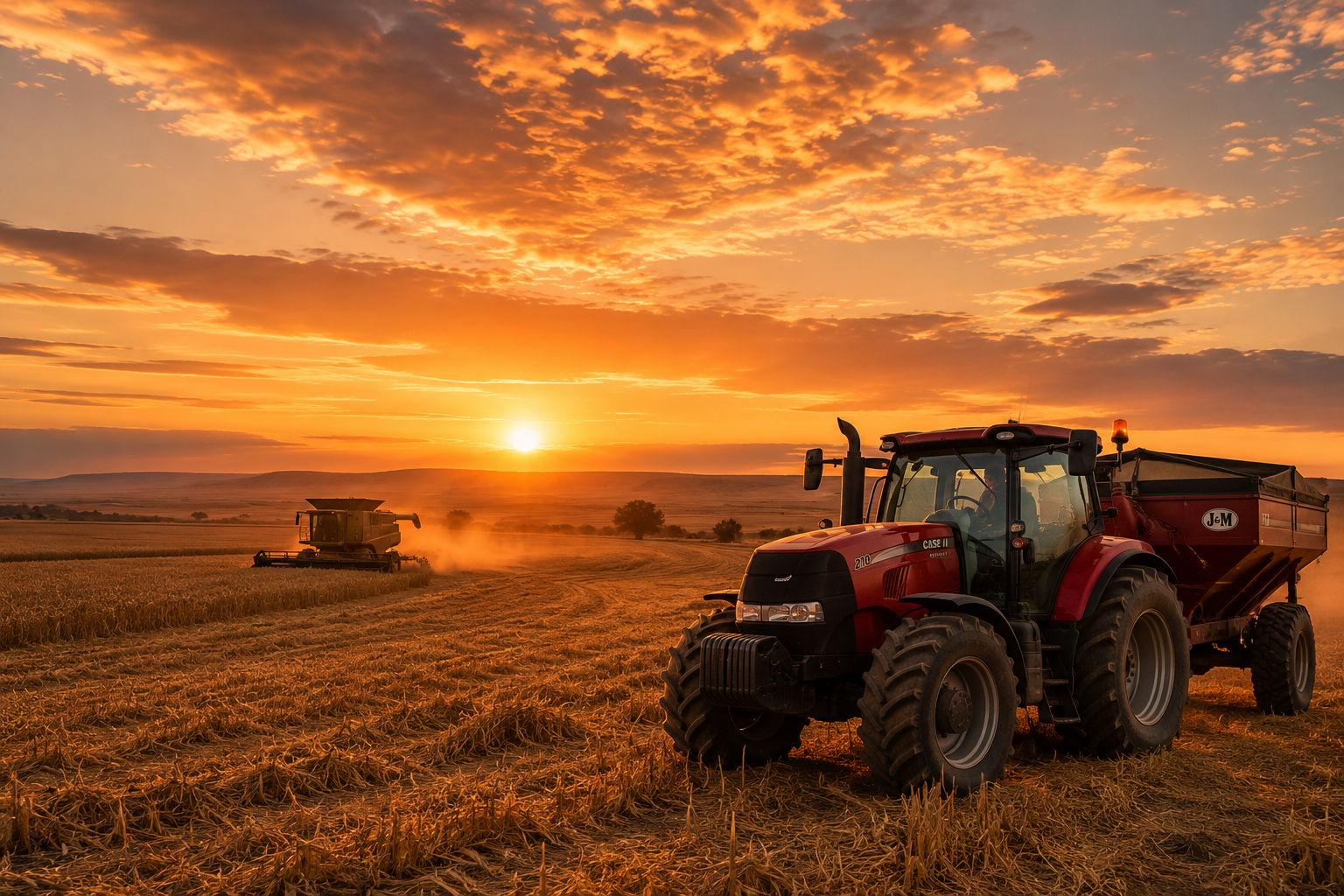
South African agriculture has entered 2026 with a complicated but important message. The sector is still growing, still employing, still producing, and still exporting. Yet behind the positive national numbers, farmers are carrying a heavier burden: floods in key production regions, foot-and-mouth disease in livestock, rising input costs, damaged infrastructure, lower commodity prices and uncertainty about the next season. The story of the first half of 2026 is therefore not simple growth. It is resilience under pressure.
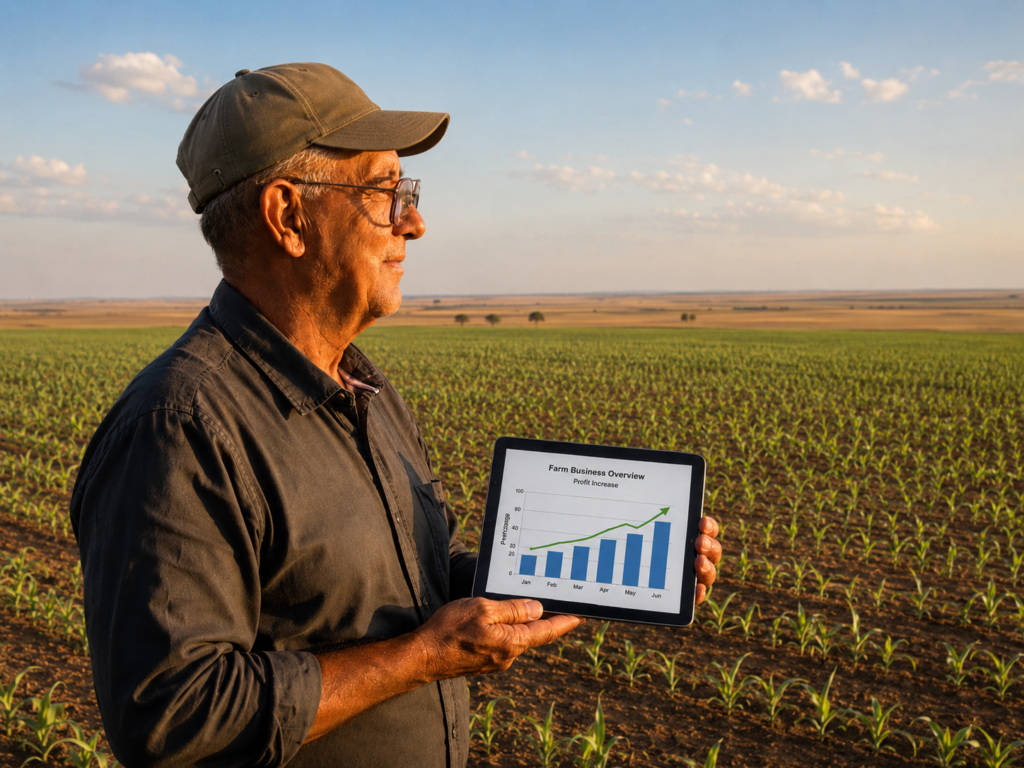
South African agriculture has started 2026 in a stronger position than many might have expected, but the strength is uneven. At national level, the agricultural sector is still expected to grow this year, supported by favourable production conditions in field crops, vegetables, sugarcane, fruit and parts of the poultry sector. According to Agbiz, South Africa’s 2025/26 summer grain and oilseed harvest was estimated at 20.8 million tonnes, up 1% year-on-year, while the maize crop was estimated at 16.8 million tonnes, the largest harvest on record. The soybean crop was estimated at a record 2.8 million tonnes.
This is the encouraging side of the story. Rainfall linked to La Niña, expanded plantings and good yields have supported strong production in several subsectors. Farm employment has also strengthened. Statistics South Africa’s Quarterly Labour Force Survey for the first quarter of 2026 showed 960 000 agricultural jobs, up from 930 000 a year earlier and 950 000 in the final quarter of 2025.
Yet the national picture hides serious regional and subsector pressure. Agbiz warned that the year will be marked by mixed fortunes, with floods, animal disease and input cost risks weighing on some farmers, even while other subsectors benefit from better harvests. That is why 2026 is best understood as a year of agricultural resilience, not easy recovery.
A Strong Crop Year, But Quality and Timing Matter
For summer crops, the basic production numbers remain positive. South Africa is positioned for an ample grains and oilseed harvest, with maize, soybeans and sunflower seed performing strongly. Agbiz noted that recent rains extended much later than usual, continuing into early May 2026. Normally, summer rainfall tapers off toward the end of March, allowing crops to mature before winter. In 2026, the longer rainfall period created concern about crop quality, particularly for soybeans and sunflower seed.
However, Agbiz also noted that anecdotal evidence suggested maize damage may be minimal in many areas. One reason is that some maize regions were planted later than usual. Late-planted maize was still maturing when the heavy rains arrived, meaning harvesting in some areas would likely only begin in June.
This matters because a strong crop on paper only becomes real value when quality, logistics and market access hold up. In a year like 2026, resilience is not only measured in tonnes. It is measured in how much of the crop can be harvested, stored, transported, graded and sold without major disruption.
South Africa’s Crop Estimates Committee remains a central official source for crop production data. The Department of Agriculture’s crop estimates page lists the 23 April 2026 release for summer crops, including the revised area planted, third production forecast and winter cereal intentions to plant.
Floods Add a Serious Regional Shock
The most visible shock in the first half of 2026 has been flooding in parts of the Western Cape and Eastern Cape. Agbiz described the recent floods as another headwind for South African agricultural growth, especially for fruit, winter crops and other farming sectors in the Eastern and Western Cape. The organisation highlighted damage to public infrastructure, including roads and bridges, as a major concern because perishable produce depends on reliable access to local and export markets.
Reports show that between 9 and 12 May 2026, several table grape and citrus farms outside Worcester and in the Hex River Valley were flooded, while bridges and roads were damaged by heavy rainfall. Agri Western Cape indicated that it was still too early to determine the full effect on farming operations and yields, while farmers in lower-lying parts of the Hex River Valley reported flooded vineyards and damaged roads.
The Western Cape Government also confirmed that consecutive severe weather systems had caused widespread disruptions and damage across the Overberg, Cape Winelands, Garden Route, West Coast and the City of Cape Town. The Provincial Disaster Management Centre and Joint Operating Centres remained activated, with several roads closed, including the N1 at Worcester and various passes along the escarpment.
For fruit farmers, this is not a small inconvenience. It is a direct threat to harvest timing, packhouse scheduling, quality control, labour planning and export logistics. The resilience of the fruit sector will depend heavily on how quickly roads, bridges, electricity and access routes are restored.
Citrus: A Promising Season Meets Flood Damage
The citrus industry entered 2026 with positive expectations, but the severe weather changed the tone in affected regions. Agbiz noted that the citrus harvest started slightly later than usual in some regions and that heavy rains in parts of the Eastern and Western Cape required close monitoring. It also reported that some farms experienced infrastructure damage and crop losses, with farmer estimates in Patensie suggesting citrus crop losses of between 15% and 20% of their harvest, although the scale of losses remained unclear at the time.
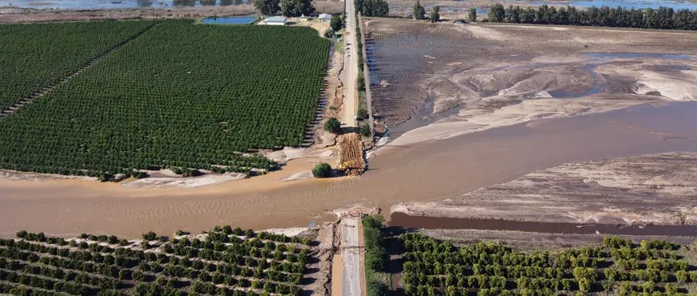
The Citrus Growers’ Association of Southern Africa, noted that it was still too early to speculate on the full impact of the weather event. However, CGA CEO Boitshoko Ntshabele pointed to clear infrastructural damage in the Kouga Municipality, particularly the Gamtoos Valley around Patensie. Early indications suggested flooded orchards, uprooted trees and possible damage to around 10% to 12% of the Gamtoos Valley crop.
This is where factual reporting must remain disciplined. The final damage figures were still being assessed at the time of reporting. It would be wrong to inflate the numbers or assume national citrus losses from regional flood damage. What can be said is that the floods arrived at a sensitive point in the season for some citrus growers and created additional pressure on infrastructure, harvest timing and soft citrus volumes.
Table Grapes, Apples and Winter Crop Plantings
The Western Cape floods also affected table grape areas, especially in the Hex River Valley. Agbiz reported flooding in some table grape orchards and farm infrastructure. On-the-ground reports of flooded vineyards, damaged roads and restricted movement on farms.
Hortgro also indicated that the rain affected the last of the apple harvest in Grabouw, including some impact on late Pink Lady and Cripps Red apples. The assessment of damage in areas such as Ceres was still underway.
Winter crop farmers face a different problem. Excessive rain and waterlogged fields can delay planting of wheat, canola and barley because lands need time to dry before planting can begin. Agbiz noted that excessive rains in the Western Cape would slow winter crop plantings in some regions.
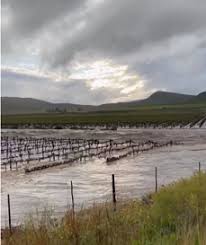
This is another important part of agricultural resilience. The challenge is not only surviving the flood event itself. It is managing the delay that follows: delayed access to fields, delayed planting, delayed repairs, delayed transport and delayed certainty.
Livestock Under Pressure: Foot-and-Mouth Disease Remains a Major Risk
If floods are the visible shock of 2026, foot-and-mouth disease is the deeper structural threat to livestock agriculture. Agbiz identified the ongoing spread of animal diseases as a major risk, particularly for beef, dairy and pork producers. It also noted African swine fever as a challenge for the pork industry.
On 5 May 2026, Agriculture Minister John Steenhuisen said that foot-and-mouth disease had placed South African agriculture at a crossroads and threatened farmer livelihoods and food security. He reported that South Africa had already distributed 2.5 million doses of FMD vaccines procured from Biogénesis Bagó in Argentina and that a further five million doses were ready for export pending import procedures.
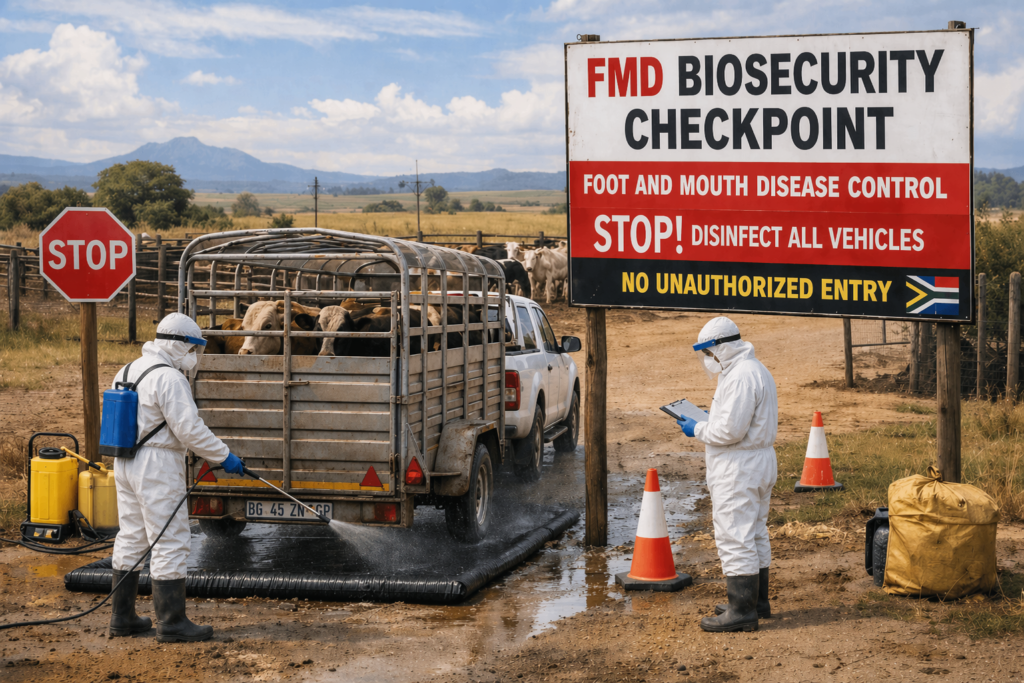
The minister also said that South Africa had received six million doses of FMD vaccines, with additional doses from Turkey and Argentina planned or in transit. As of 23 April 2026, government reported that more than 2.59 million animals had been vaccinated across the country.
Government also announced a voluntary routine vaccination scheme under Section 10 of the Animal Diseases Act. This scheme allows owners of cloven-hoofed animals to vaccinate under state veterinary oversight, with private veterinarians or authorised animal health technicians involved.
These are major developments. But they also show how large and complex the disease-control task remains. A vaccination strategy is not only about vaccine supply. It requires diagnostics, movement control, cold-chain capacity, field-level coordination, private-sector cooperation, accurate strain information and farmer confidence.
Farmer Organisations Raise Concerns
Farmer organisations have been vocal about the FMD response. Saai, together with Sakeliga and Free State Agriculture, took legal action relating to the control of foot-and-mouth disease vaccines. Saai argued that delays and centralised control had caused serious costs for livestock farmers, including dairies, stud breeders, commercial herds and small-scale farmers.
TLU SA also raised concerns about vaccine strategy, including questions around strain coverage, regulatory approval, testing and the pace of implementation. The organisation argued that blood testing and proper identification of dominant strains in areas should be a starting point before vaccination is administered.
South Africa’s FMD response was under systemic strain, diagnostic delays, vaccine delays and policy fragmentation are huge concers. The report noted that the Ministerial Task Team on Controlled Animal Diseases had identified diagnostic failure as an immediate risk, with provincial veterinary services reportedly waiting months for confirmation of circulating virus strains.
During a Nampo discussion Dr Dirk Verwoerd as saying international experience suggests a countrywide epidemic outbreak of this nature may take around 24 months to come under control. The same report noted discussion around the target of vaccinating 80% of the national cattle population and the need for layered immunity over time.
Farm Jobs: One of the Strongest Signals in Early 2026
One of the most encouraging indicators in the first half of 2026 is employment. Agriculture remains a major employer, and the Q1 2026 figures show that the sector continued to create jobs despite pressure in certain industries.
Stats SA reported that agricultural employment reached 960 000 in Q1 2026. This was up 30 000 from Q1 2025 and up 10 000 from Q4 2025. In percentage terms, agricultural employment increased by 3.2% year-on-year and 1.0% quarter-on-quarter.
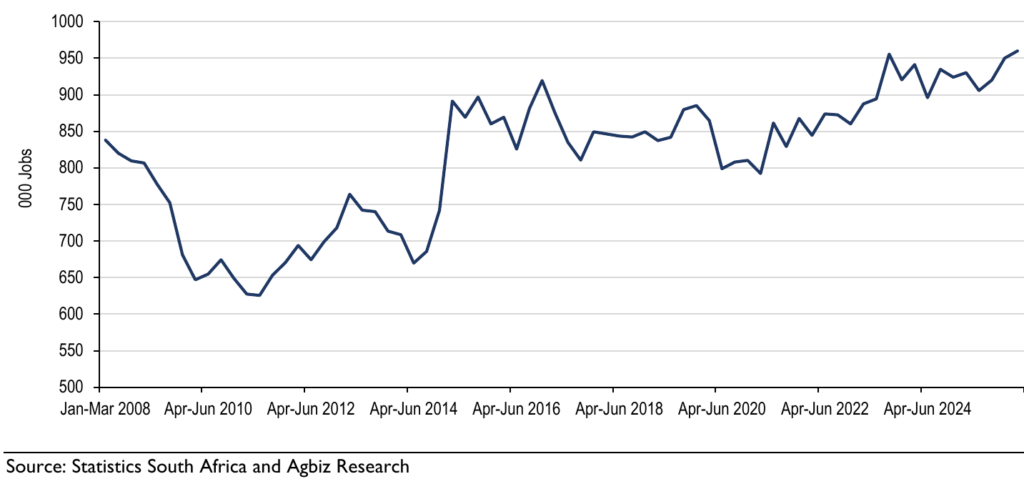
Agbiz linked the strong employment numbers to favourable production conditions in 2025 and early 2026. Provinces showing annual job growth included the Western Cape, Eastern Cape, Free State, North West and Limpopo.
This is important because jobs are often one of the clearest measures of agricultural resilience. A sector can show good production figures, but if employment falls sharply, the rural economy suffers. In early 2026, agriculture has not only produced more in several subsectors; it has also continued to absorb labour.
However, the risk is what happens next. If input costs rise, disease restrictions continue, commodity prices remain lower, and flood recovery takes longer in affected regions, employment conditions may become harder to maintain into 2027.
Machinery Sales: Confidence or Delayed Orders?
Agricultural machinery sales also remained relatively strong in April 2026. Agbiz reported that tractor sales totalled 548 units, up 4% from April 2025, while combine harvester sales reached 52 units, up 13% year-on-year.
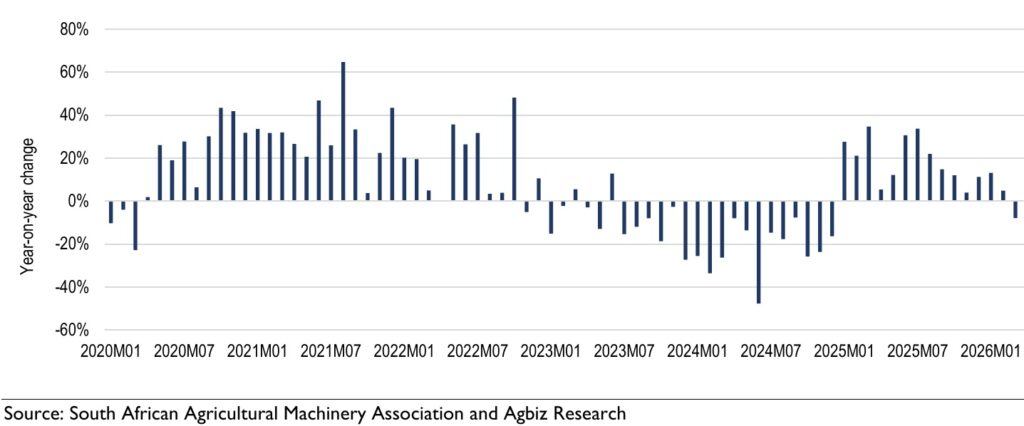
The South African Agricultural Machinery Association, also reported that tractor and combine harvester sales edged higher in April 2026, with year-to-date tractor sales reaching 2 352 units and combine harvester sales up to 117 units.
This would normally be read as a strong confidence signal. Farmers tend to invest in machinery when recent seasons have been profitable and when they expect operations to justify the capital spend. However, Agbiz urged caution, noting that some sales may reflect orders placed before current global disruptions intensified. The organisation also warned that rising input costs, lower agricultural commodity prices and uncertain weather outlooks could weigh on the path ahead.
In other words, machinery sales show resilience, but they do not remove risk. They tell us that parts of the sector entered 2026 with financial momentum from recent good harvests. They do not guarantee that the same purchasing strength will continue if costs rise and margins tighten.
Lower Commodity Prices and Higher Input Costs
The production side of 2026 is strong in several areas, but farm profitability depends on more than yield. Agbiz warned that while summer grains and oilseeds are at record levels, commodity prices are weaker. It noted maize prices were down 20% to 30% from a year ago, while soybean prices were down 10% to 15%.
At the same time, fuel and fertiliser remain major risks. Agbiz highlighted the ongoing war in the Middle East and the subsequent surge in fertiliser and fuel prices as a concern. These two inputs account for a large share of production costs in field crops. When they rise, farmers feel the pressure quickly.
Electricity prices are another pressure point. Agbiz noted that rising electricity costs add financial strain to farmers in irrigation regions, which produce all of South Africa’s fruits and vegetables and roughly 20% of field crops.
This is where resilience becomes more than a word. It becomes a financial test. Farmers may harvest more, but if they receive lower prices and pay more for fuel, fertiliser and electricity, margins shrink. For smaller producers, that margin pressure can determine whether they expand, hold steady or exit production.
Food Inflation Remains Moderate, But Risks Are Visible
Consumer food price inflation slowed to 3.4% in March 2026, down from 3.7% in February, according to Agbiz’s summary of recent food-price data. Agbiz noted broad deceleration across various food products but identified higher fuel prices as a major upside risk.
This moderation is good news for consumers, but the risk pipeline is not empty. Flood damage, road disruptions, animal disease, rising fuel costs and delayed plantings can all influence supply chains. The effect is not always immediate. In some cases, strong harvests can help stabilise prices in the short term, while longer-term costs build in the background.
For Nufarmer Africa readers, the key point is this: farm-level pressure and consumer-level inflation do not always move at the same time. A farmer can be under severe cost pressure even when retail food inflation looks manageable.
What the First Half of 2026 Tells Us
The first half of 2026 tells a layered story. South African agriculture is not in decline. It is also not in a simple boom. It is producing strongly in several subsectors while absorbing serious shocks in others.
The strongest points are clear: record or near-record summer crop expectations, strong agricultural employment, robust machinery sales, good fruit performance in some categories, favourable vegetable production conditions and a better start for poultry due to lower feed prices.
The pressure points are equally clear: flood damage in parts of the Eastern and Western Cape, infrastructure damage, delayed winter crop planting, ongoing FMD risk, disease pressure in livestock, lower grain and oilseed prices, higher fuel and fertiliser costs, rising electricity costs and uncertainty about the next season’s weather.
This is why resilience is the defining agricultural theme of 2026. It captures both the strength and the strain. Farmers are producing. Workers are employed. Machines are being bought. Exports continue. But the system is being tested by climate events, disease control, infrastructure weakness and volatile costs.
Conclusion: A Strong Sector, But Not an Easy Year
South African agriculture has entered 2026 with strength that should not be underestimated. The country is heading toward an ample summer grains and oilseed harvest. Maize and soybeans are at record levels. Farm employment is well above the long-term average cited by Agbiz. Machinery sales remain positive. Several fruit and vegetable subsectors continue to show strong production.
But this strength sits alongside real pressure. Floods have damaged farms and infrastructure in important production regions. FMD continues to test the livestock sector. Commodity prices are weaker. Input costs remain a threat. Electricity costs are a growing burden. Winter crop planting has been slowed in some wet areas. Farmers in affected regions are still waiting for full damage assessments.
The most accurate conclusion is not that South African agriculture is thriving without difficulty. It is that South African agriculture is showing resilience in a year when resilience is being demanded from every side.
For farmers, agribusinesses, policymakers and input suppliers, the task ahead is practical: restore infrastructure quickly, strengthen veterinary systems, protect market access, support affected producers, manage input costs where possible and keep reliable data flowing.
The first half of 2026 has proved that South African agriculture remains one of the country’s most vital productive sectors. The second half will test whether that resilience can be protected, supported and converted into sustainable growth.
FAQ
Is South African agriculture growing in 2026?
At national level, Agbiz expects South Africa’s agricultural sector to grow in 2026, although growth is uneven across subsectors. Field crops, vegetables, sugarcane and some fruit categories are expected to perform well, while livestock and flood-affected regions face more pressure.
What is the main risk to South African livestock farmers in 2026?
Foot-and-mouth disease remains one of the main risks to livestock farmers in 2026. It affects animal movement, trade, farmer confidence and market access, especially in beef and dairy value chains.
How have floods affected South African agriculture in 2026?
Floods have affected parts of the Western Cape and Eastern Cape, damaging roads, bridges, orchards, vineyards and farm infrastructure. Citrus, table grapes, apples and winter crop planting areas are among the affected sectors.
What is South Africa’s expected maize harvest in 2026?
Agbiz reported that South Africa’s 2025/26 maize production estimate was 16.8 million tonnes, up 1% from the previous season and the largest harvest on record.
Why are input costs a concern for farmers?
Fuel, fertiliser and electricity are major farm expenses. When these costs rise while commodity prices fall, farmers can harvest large crops but still face tighter profit margins.
Why is agricultural resilience important in 2026?
Agricultural resilience is important because South African farmers are facing multiple pressures at once, including floods, animal disease, weaker commodity prices, infrastructure damage, input cost increases and weather uncertainty.
(M.O)