
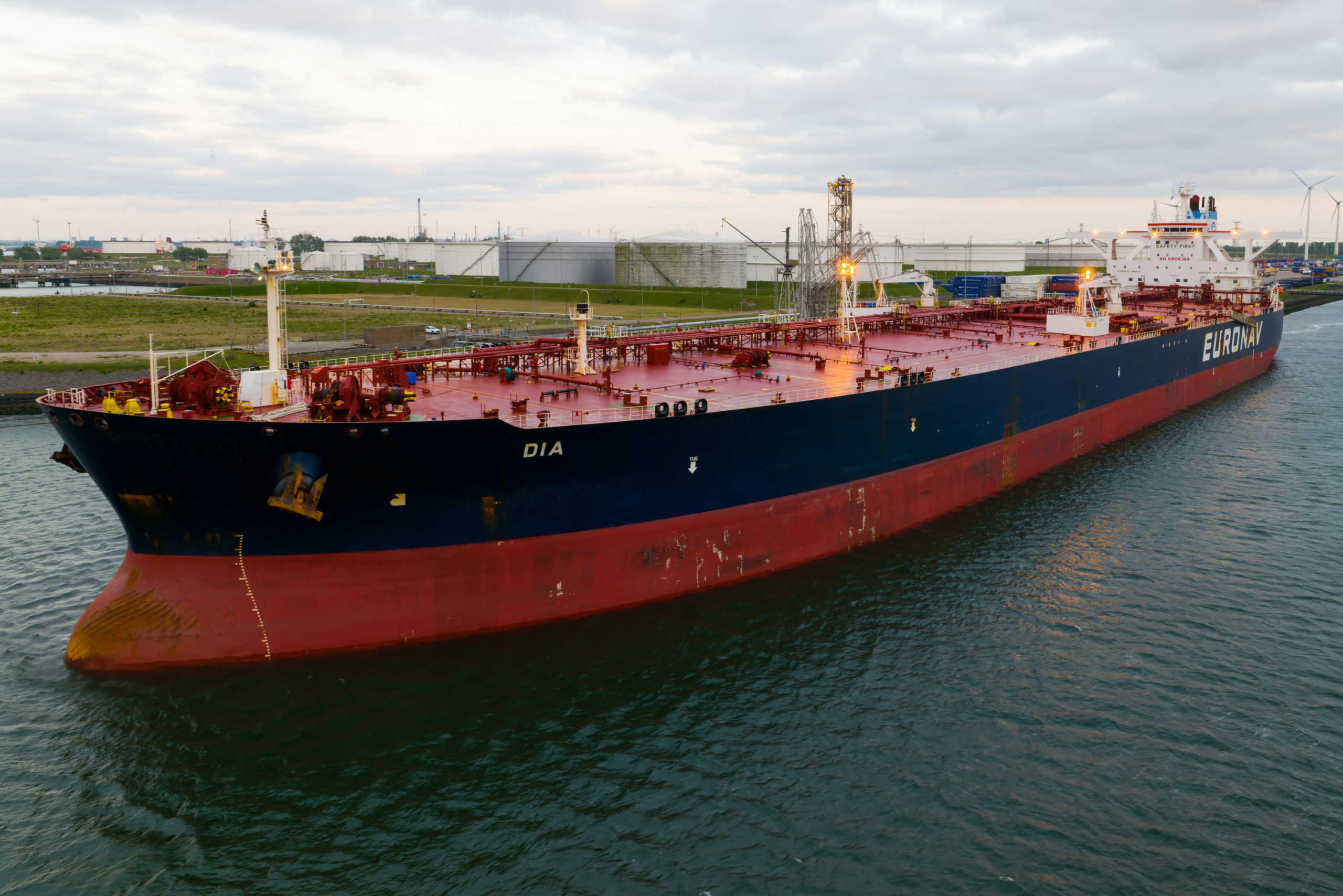
The ongoing conflict in the Middle East is one of those critical distant shocks that can become local very quickly.
By the time a war seems far away on a map, its economic consequences are often already travelling quietly through global supply chains. For South African agriculture, the ongoing conflict in the Middle East is one of those critical distant shocks that can become local very quickly. It may begin with oil terminals, shipping lanes and fertiliser plants thousands of kilometres away, but it does not stay there. It moves into diesel prices, transport bills, orchard margins, grain production costs and, eventually, supermarket shelves.
That is why the present conflict matters to farmers, agribusinesses and consumers alike. South Africa is not a major agricultural trading partner of Iran itself, but the broader Middle East region matters to the country in two critical ways.
First, the region is an important destination for selected South African agricultural exports.
Second, and arguably even more importantly in the short term, developments in the Middle East influence the prices of oil, gas, shipping and fertiliser, all of which are critical inputs or cost drivers in farming.

Wandile Sihlobo, chief economist of Agbiz, has been clear in his recent commentary that this is not an abstract geopolitical issue for South African agriculture. In his March 2026 market analysis and related AgriView commentary, he argued that the conflict exposes South African farming through export markets, fuel, logistics and fertiliser. His concern is especially relevant now because the country is moving into a busy agricultural window: citrus harvesting gathers momentum from May, summer grain harvesting intensifies, and winter crop planting begins in the Western Cape and other areas. In other words, the war is colliding with a critical period in the local farming calendar.
Why a Middle East war matters to a South African farmer
At first glance, some may assume the effects will be limited because South Africa is geographically removed from the conflict zone. That would be a mistake. Agriculture is deeply tied to global energy and trade systems. When tensions rise around the Strait of Hormuz and linked Red Sea routes, the immediate concern is not only the oil market. It is also the movement of fertiliser, gas, shipping containers and insurance cover. Those are critical cost variables in modern food production.
The Strait of Hormuz is one of the world’s most sensitive maritime chokepoints. According to the International Food Policy Research Institute, about 27% of global oil exports, 20% of LNG exports and roughly 20% to 30% of global fertiliser exports move through that corridor. IFPRI also notes that shipping through the strait has slumped sharply since the conflict intensified, with war risk and transport costs rising as a result. That makes the situation critical for any country that depends on imported fuel or fertiliser, including South Africa.
For South African farmers, the connection is straightforward. Higher oil prices tend to raise local fuel costs. Higher energy costs also place upward pressure on fertiliser prices, especially nitrogen-based products that depend heavily on gas. And because South Africa imports a large share of its fertiliser needs, local agriculture cannot easily insulate itself from those global price movements. Agbiz estimates that South Africa imports roughly 80% of its fertiliser, making this a critical vulnerability when Middle East disruption starts feeding into input markets.
Fuel: the first critical pressure point
f there is one cost farmers feel almost immediately, it is fuel. Diesel and petrol do not only affect tractors and harvesters. They also shape the cost of getting fertiliser to farms, produce to packhouses, fruit to ports, grain to millers and food to retailers. Fuel is one of those critical threads that runs through the entire agricultural value chain.
Sihlobo has warned that if oil prices remain elevated and the rand stays under pressure, South Africa could see further fuel price increases. In his recent analysis, he noted that the sector is entering a period of relatively high fuel use, precisely when the conflict is creating upside risk for energy prices. He also points out that fuel accounts for roughly 13% of grain farmers’ production costs, with usage typically highest during planting and harvesting. That is a critical figure because it shows how quickly a geopolitical shock can translate into farm-level pressure.
The impact does not stop at the farm gate. About 80% of South African grain and oilseeds are transported by road from storage to processors and export facilities. When diesel rises, the effects spread beyond growers to millers, feed manufacturers, wholesalers and retailers. In a country where road freight remains critical to agricultural logistics, higher fuel costs are seldom absorbed quietly; they tend to ripple forward.
For livestock producers, the pressure is just as real. Feed transport, veterinary movement, cold-chain costs and abattoir logistics all become more expensive when fuel rises. Even if farmgate prices do not move immediately, margins can tighten. That is one reason global conflict can become a critical issue for producers who may never export a single box of fruit or tonnes of grain.
Fertiliser: the critical medium-term risk
f fuel is the first pressure point, fertiliser may be the most critical medium-term risk. South Africa imports about 80% of its fertiliser, and fertiliser prices typically follow the oil and gas complex. When the Middle East is unstable, the supply and pricing of urea, ammonia, phosphates and related products can change rapidly.
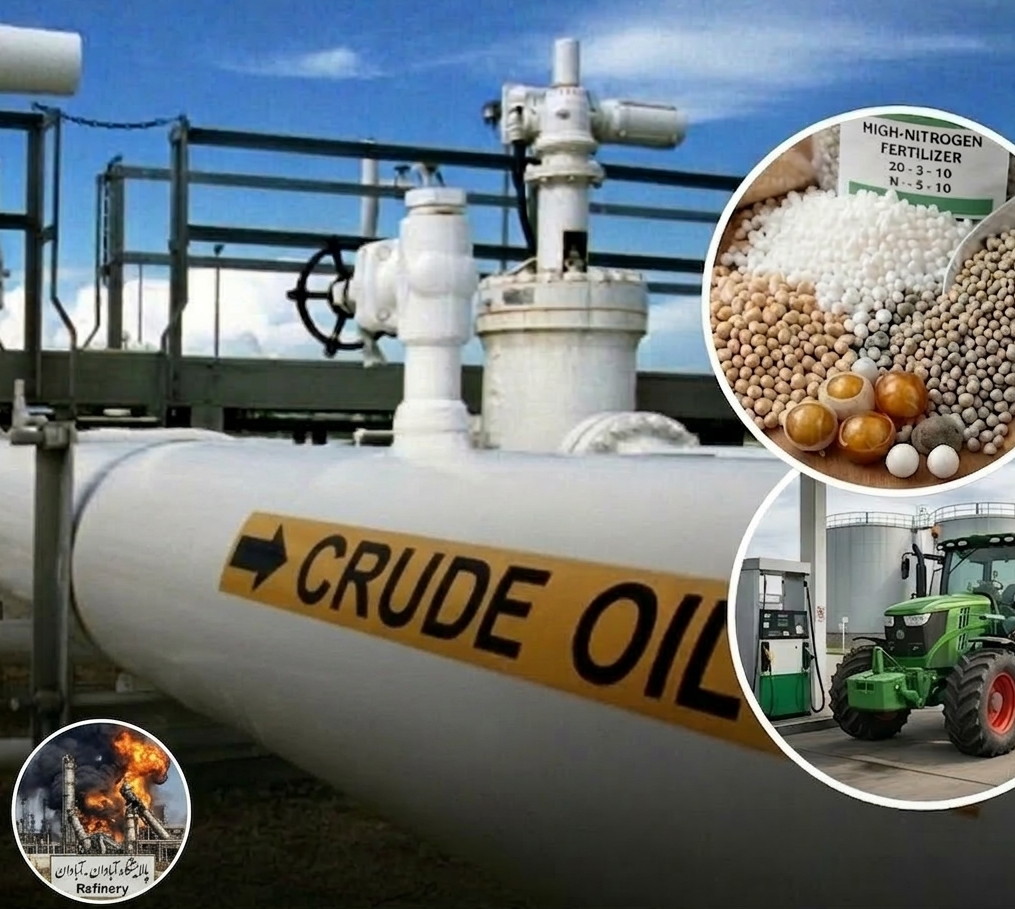
This matters because fertiliser is not a marginal input. For grain farmers, it accounts for around 35% of input costs, according to Agbiz commentary echoed in Sihlobo’s recent analysis. That makes fertiliser a critical determinant of profitability, especially for maize, wheat, oilseeds and sugarcane production. If the conflict is prolonged, the effect may be felt less in fields already planted and more in forward decisions on how much to plant, what to plant and how intensively to fertilise in the coming season.
Internationally, the concern is grounded in hard trade realities. IFPRI says Gulf exporters such as Qatar, Saudi Arabia, Bahrain and Oman are major suppliers of fertiliser products including urea, DAP and ammonia. Reuters has also reported that the war has disrupted fertiliser flows and pushed prices higher at a time when producers in several countries were preparing for planting. Those are critical warning signs for import-dependent agricultural systems.
For South African farmers, the timing is important. Agbiz has suggested that winter crop farmers may be partially cushioned if some have already secured fertiliser requirements for the near term. But if instability lingers, then summer grain and oilseed producers heading toward the 2026/27 planting season could face a more critical input-cost environment. In agriculture, delayed pain is still pain; it just arrives a few months later in budgets, financing needs and planting plans.
Export markets: a critical risk for fruit and premium produce
The Middle East is not only a source of cost pressure. It is also a destination market. South Africa’s agricultural exports reached a record US$15.1 billion in 2025, and Agbiz data show that Asia and the Middle East together accounted for 17% of agricultural exports in the fourth quarter of 2025. Products shipped into those regions included wool, citrus, berries, apples and pears, beef, apricots, grapes, lamb, wine and sugar. That means the region is a critical revenue channel for several value chains.
Recent disruption has already highlighted this risk. Reporting on the fruit trade, FreshPlaza, citing Hortgro and other industry voices, noted that the Middle East accounts for about 21% of South Africa’s pear exports, 12% of apples, 60% of apricots, 34% of peaches, 12% of nectarines and 17% of plums. It also reported that 675,000 cartons of stone fruit and 900,000 cartons of apples and pears were already at sea during the disruption. For exporters of deciduous fruit, this is plainly critical.
Fruit does not wait politely for geopolitics to settle. A delayed shipment is not just a delayed invoice. It can become a quality problem, a market diversion, a price discount, or, in the worst cases, a loss. Shipping lines have reportedly rerouted vessels and some containers packed for export had to be unpacked. At the same time, alternative markets were described as oversupplied, placing downward pressure on prices. In fresh produce, that kind of dislocation is criticalbecause timing is inseparable from value.
The Western Cape is especially exposed because of its fruit and export concentration. The UAE, for instance, has become an important growth market for Western Cape fruit. When conflict disrupts logistics into the region, growers are forced to rethink destinations, sales strategies and packing decisions in real time. That makes market intelligence and logistics planning critical management tools, not luxuries.
Not every sector is equally exposed. FreshPlaza reported that the table grape industry expected a more limited impact because only around 4% of production was exported to Middle East markets in the 2024/25 season. That is an important reminder: the conflict’s effects are critical, but uneven. Some sectors face direct market disruption, while others feel the shock mostly through inputs and freight.
Logistics and shipping: the critical hidden cost
One of the less visible but highly critical consequences of war is the increase in shipping friction. This includes longer routes, higher marine insurance, fewer bookings, port congestion elsewhere and the cost of reworking distribution plans. South African agriculture already operates under logistics pressure, so any extra global disruption lands on a system that has limited spare capacity.
FreshPlaza reported, citing industry sources, that diversions around the Cape had increased by 112% since early March, adding 10 to 14 days to shipping times and raising fuel and insurance costs. IFPRI similarly warned that shipping through the Gulf corridor had fallen sharply and that maritime insurance had become prohibitively expensive in parts of the region. These are critical indicators because they show that trade is not simply “open” or “closed”; it can remain technically open while becoming commercially painful.
For exporters, longer voyages affect cash flow, quality and planning. For importers of agricultural inputs, slower and costlier shipments can distort stocking cycles and procurement. For consumers, these extra logistics costs are not always visible, but they are critical in the final price architecture of food. Somebody pays for delays, detours and risk premiums. Usually, the cost is shared across the chain until it lands, at least partly, in the basket of the end buyer.
What this could mean for South African consumers
Consumers should not expect every product to jump in price overnight. South Africa entered 2026 with relatively moderate inflation compared with previous shock periods. Stats SA reported annual consumer inflation of 3.5% in January 2026, while food and non-alcoholic beverages inflation was 4.4%. Agbiz has also argued that food inflation could moderate in 2026 because of softer grain, fruit and vegetable prices in some categories. That means the baseline entering this crisis was not yet a food-price panic.
But moderate inflation at the start of the year does not remove the critical risk of a fresh supply-side shock. If fuel rises, logistics become more expensive. If fertiliser rises, future production costs increase. If export markets are disrupted, some product may be diverted locally and temporarily soften prices in one category, while other categories could rise as costs build elsewhere. Food inflation seldom moves as one clean line; it tends to show up unevenly accross proteins, grains, oils, fruit and processed foods.
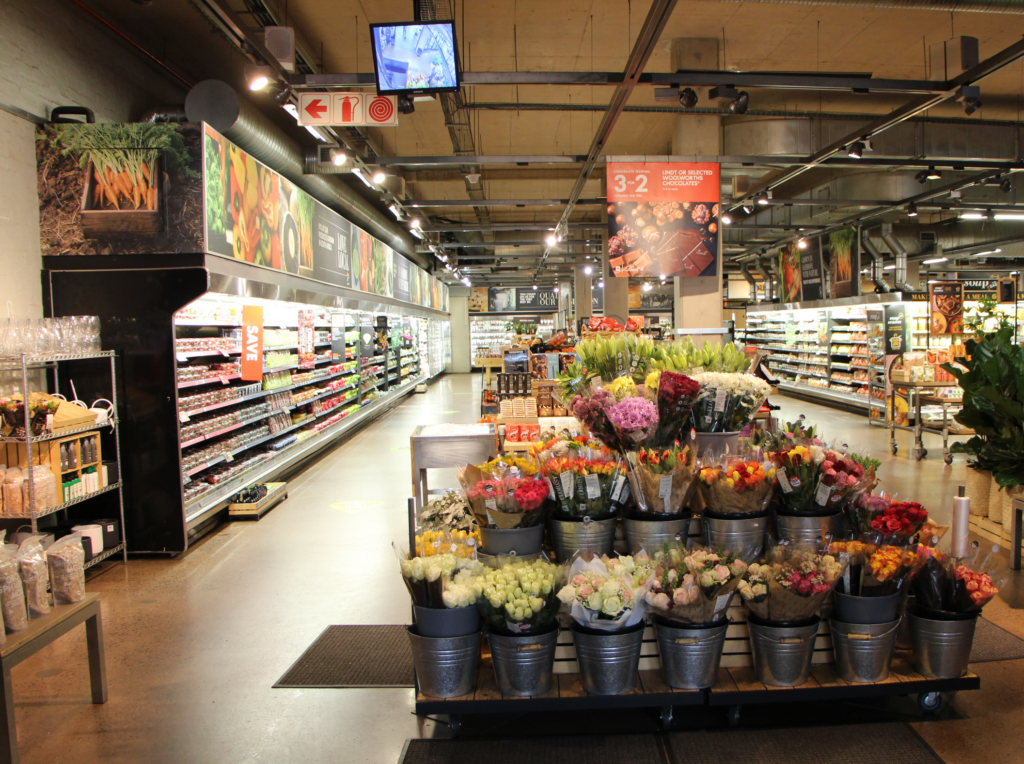
Consumers may first notice pressure in products where transport and processing are critical cost components. Bread, maize meal, poultry, dairy distribution, edible oils and processed foods can all be affected by higher fuel and logistics costs. Over a longer horizon, if fertiliser inflation influences planting intensity or crop choices, then the effect could broaden. The key point is that the war may influence food prices both directly and indirectly, and often with a lag.
There is another layer to this story. If export-oriented sectors face severe market disruption, some fresh produce may temporarily flow into domestic channels, which could create short-lived relief for certain consumers. But that is not automatically good news. It may still reflect a critical earnings loss for farmers if product is sold into oversupplied alternative markets at weaker prices. A consumer gain in one week can still be part of a producer crisis over the season.
The critical question: how long does the conflict last?
Duration is everything. A short-lived disruption can bruise margins without fundamentally changing the season. A prolonged conflict is far more critical because it influences procurement, planting, working capital, shipping schedules and market confidence. That is the lens through which farmers should view the risk.
The immediate impact on South African grain exports may be limited because exports have already been relatively slow this year, partly due to ample global supplies. Meat exports are also currently weighed down by separate domestic challenges, including foot-and-mouth disease. But that does not reduce the seriousness of the situation. It simply means the most critical transmission mechanisms right now may be inputs, logistics and selected horticultural markets rather than a uniform export collapse across the whole sector.
Confidence itself can become a factor. Reports claim that agribusiness confidence has weakened, with analysts citing the Middle East conflict alongside animal disease concerns and external pressures. When producers become less certain about costs, access, markets and policy responses, decisions tend to become more conservative. That can affect investment, stocking, expansion and seasonal strategy. Confidence may sound soft, but in business planning it is a critical economic variable.
How farmers can respond
The first critical response is to treat this as a risk-management issue, not merely a news event. Farmers and agribusinesses should be reviewing fuel exposure, fertiliser cover, forward purchasing arrangements and shipping schedules now, not later. Producers with export exposure into Middle East markets should also be mapping alternative destinations and discussing contingency options with marketers, freight agents and insurers. These are practical steps grounded in the very channels of risk identified by Agbiz and industry bodies.
Second, cost discipline becomes critical. In volatile periods, cash flow and margin tracking matter even more than usual. Producers need clarity on where a fuel increase or fertiliser spike would hurt most, and which operations remain profitable under different input-price scenarios. This is especially true for grain, oilseed and sugarcane producers, where fertiliser use is relatively high.
Third, communication across the value chain is critical. Exporters, packhouses, input suppliers, financiers and producers all need current information. The difference between a manageable disruption and a severe loss can be timing. If farmers know early that routes are delayed, inputs will be late, or certain markets are slowing, they can adjust more intelligently.
A critical reminder for policymakers and consumers
For policymakers, this moment is a reminder that South African agriculture’s competitiveness does not depend only on rainfall and on-farm skill. It also depends on energy resilience, logistics performance, port efficiency and trade agility. When global shocks hit, domestic bottlenecks become even more critical. Agriculture can absorb only so much international strain if local systems remain expensive or slow.
For consumers, the lesson is equally clear. Food prices are shaped by much more than what happens in a local field. A war in the Middle East can influence the cost of fuel, the availability of fertiliser, the timing of ships and the profitability of farms in the Western Cape, Free State or KwaZulu-Natal. The chain is longer than most shoppers see, but it is very real. That interdependence is a critical fact of modern agriculture.
Final word
South African agriculture has proved remarkably resilient through droughts, port failures, load-shedding, animal disease outbreaks and policy uncertainty. Yet resilience does not mean immunity. The ongoing Middle East war is a criticalexternal shock because it touches the sector at several pressure points at once: fuel, fertiliser, logistics and export markets.
For farmers, the message is not panic, but preparation. For consumers, it is awareness. And for the country as a whole, it is a reminder that food security is tied not only to what South African farmers do at home, but also to what happens in the world’s most fragile and critical trade corridors. If the conflict eases quickly, the damage may remain containable. If it drags on, the cost will become harder to avoid, and the effects may reach from the input shed to the dinner table.
Frequently Asked Questions
1. How can the Middle East war affect South African farming if the conflict is so far away?
Because agriculture runs on global trade systems. Conflict in the Middle East can disrupt oil, gas, fertiliser and shipping routes, especially around the Strait of Hormuz, which handles a significant share of global oil, LNG and fertiliser exports. South African farmers then feel that through higher input and transport costs.
2. Why are fuel prices such a major issue for South African farmers?
Fuel affects far more than tractors. It influences planting, harvesting, irrigation support, transport to packhouses, long-haul trucking and distribution into retail. Agbiz notes that fuel makes up a meaningful share of grain farming costs, while much of South Africa’s grain and oilseed transport still moves by road, so higher diesel prices can spread quickly across the food chain.
3. Will fertiliser prices rise because of the Middle East conflict?
They could. The Gulf region is a major supplier of fertiliser products and feedstocks, and IFPRI says roughly 20%–30% of global fertiliser exports pass through the Strait of Hormuz. When that corridor is disrupted, global fertiliser availability and prices can come under pressure.
4. Why is fertiliser such a big concern for South African agriculture?
Because South Africa imports most of its fertiliser needs. Agbiz says the country imports about 80% of its fertiliser, which makes local farming vulnerable to global price spikes. For input-intensive sectors such as grain production, that can become a major cost problem if disruptions persist.
5. Which South African farming sectors are most exposed to the Middle East conflict?
Export-oriented fruit industries are among the most exposed, especially apples, pears and stone fruit. Recent industry reporting indicates the Middle East takes a notable share of South African pear, apple and stone-fruit exports, so port or shipping disruption in that region can directly affect growers and exporters.
6. Could South African fruit exports actually be delayed by the war?
Yes. Fresh produce exporters have already reported disruptions linked to conflict in the region, including delays to apple, pear, grape and stone-fruit shipments. Because these are perishable products, delays can hurt quality, timing and market prices.
7. Will South African consumers pay more for food because of the conflict?
Potentially, yes, although not every product will rise at once. Higher fuel, shipping and fertiliser costs can eventually feed into food prices, especially if the conflict drags on. South Africa’s food inflation was still relatively contained at 4.4% in January 2026, but that was before any prolonged global cost shock fully filtered through.
8. Which food categories are most likely to feel pressure first?
Products that depend heavily on transport, processing or grain-based inputs are often among the first to feel cost pressure. That can include bread, maize-based foods, poultry, dairy distribution and processed foods, because fuel and logistics costs are built into those value chains. This is an inference based on the role of transport and input costs in South African agriculture.
9. Is this only a short-term issue, or could it affect future planting seasons too?
It could affect future seasons as well. Fuel tends to hit immediately, while fertiliser often becomes a bigger medium-term risk. If fertiliser prices stay high for months, farmers may face tougher decisions on crop choice, planting area and input intensity for upcoming seasons. Agbiz has specifically warned about the risk if the conflict lingers.
10. What should South African farmers do while the conflict continues?
Farmers should keep a close eye on fuel exposure, fertiliser procurement, shipping schedules, export market alternatives and cash flow. The strongest response is early planning. Where possible, producers and agribusinesses should model different cost scenarios and stay in close contact with exporters, freight partners and input suppliers. That recommendation follows directly from the risks Agbiz and industry sources have identified.
(M.O)