
Where We Are and What Comes Next
Unprecedented Livestock Threat Grips SA — Government Responds with Strategic Action
Today (14 January 2026), Minister of Agriculture John Steenhuisen delivered a decisive briefing on the escalating Foot and Mouth Disease (FMD) outbreak sweeping multiple provinces in South Africa. The update provided farmers with a lifeline of clarity — detailing what’s been done, where the crisis stands, the roadmap to control and eradicate FMD, and crucial timelines that every producer needs to know.
This article breaks down all key points in a farmer-first language, with no jargon and plenty of facts and official sources you can verify yourself:
- What is happening right now
- Why it matters for farmers and the livestock industry
- What government actions are underway
- Our Path Forward — from vaccination to FMD freedom
- Important deadlines and timelines
Current Status of Foot and Mouth Disease in South Africa — Reality on the Ground
South Africa is facing one of the most severe Foot and Mouth Disease outbreaks in recent history. According to the Department of Agriculture:
- FMD is currently active in seven provinces: North West, Free State, Mpumalanga, Gauteng, Western Cape, Limpopo and KwaZulu-Natal (KZN) — with KZN being the epicentre of the disease.
- Historically FMD was contained in specific Disease Management Areas (DMA), but the virus has spread beyond those boundaries due to animal movement and other factors.
- In 2025, outbreaks of both SAT1 and SAT2 FMD virus strains were confirmed — a complicating factor for control efforts.
This is real. This is serious. FMD affects cloven-hooved animals (cattle, pigs, sheep, goats), and while it does not infect humans or pose a food safety risk, it devastates livestock health, export markets, trade credentials and farm profitability.
The Government’s Strategic Response — A Multi-Phase, Science-Driven Roadmap
In December 2025, Minister Steenhuisen outlined a comprehensive national strategy to confront Foot and Mouth Disease head-on. This strategy has evolved into action with today’s briefing:
1. A Shift to “Foot and Mouth Disease Free With Vaccination”
Unlike past strategies that focused on containment, South Africa is now pursuing FMD freedom through mass vaccination. This approach combines:
- Mass vaccination campaigns across key provinces
- Strengthened biosecurity and traceability
- Animal movement control enforcement
- Diagnostic and surveillance expansion
- Compartmentalisation and safe trade zones
All under the Progressive Control Pathway Framework.
This is not just reactive — it’s a strategic pivot to long-term disease resilience.
Where Action Has Started — Key Milestones
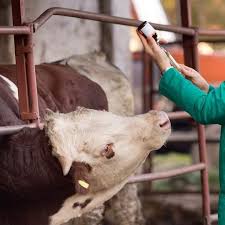
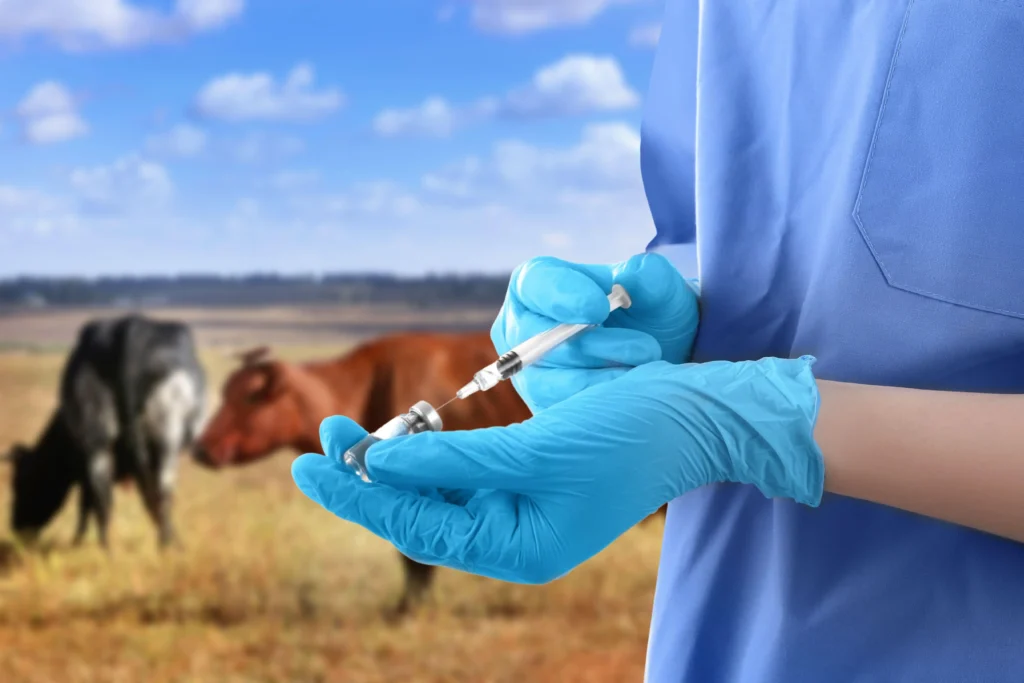
Mass Vaccination Drive Begins in February 2026
Minister Steenhuisen confirmed today that nationwide vaccination will start at the beginning of February 2026 — prioritising provinces where the disease burden is highest (including KZN and Gauteng).
The vaccination rollout will follow this sequence:
- Start with KZN and Gauteng — feedlots, communal and commercial herds
- Follow with Limpopo and Mpumalanga
- Then roll into North West and Eastern Cape
- Create protection zones around currently Foot and Mouth Disease -free provinces (e.g., Northern Cape, Western Cape)
This approach ensures vaccine doses are used where they matter most first.
Vaccines — Supply and Capability
A major challenge has been securing enough vaccine doses and building domestic capacity:
- South Africa is working with:
- the Botswana Vaccine Institute (BVI) to secure ~1 million vaccine doses per month starting mid-January 2026.
- Argentina: One million doses are expected to arrive in South Africa by the end of January 2026, pending permits. A further five million doses have been scheduled to arrive from Argentina by March 2026.
- Turkey: Five million doses in total are scheduled to arrive by March 2026, which includes a contribution from Turkey. The permit for the Dollvet vaccine from Turkey has been secured.
- The Agricultural Research Council (ARC) is expanding its vaccine manufacturing capability — aiming for 20 000 doses by late 2025/26 and 150 000-200 000 doses by mid-2026/27.
The Department has already vaccinated close to 950 000 animals in targeted campaigns.
This is a huge logistical and production challenge, but progress is tangible.
Biosecurity and Traceability — The Backbone of Control
Vaccination cannot succeed on its own. Minister Steenhuisen emphasised this morning that vaccines are not a silver bullet — they must be paired with strict biosecurity, tracking and animal movement control.
To this end:
- SA is implementing a Livestock Identification and Traceability System (LITS) by mid-January 2026.
- Enforcement agencies (SAPS, traffic officials) are in the process of being mobilised to help curb illegal animal movement, which remains one of the biggest drivers of FMD spread.
- Awareness campaigns are being rolled out across provinces in partnership with industry.
The Plan Forward — Defined Timeframes for Action
Here’s the official roadmap, with targeted timelines that all farmers and stakeholders must watch closely:
January 2026
- Implementation of LITS nationwide.
February 2026
- Mass vaccination campaign begins (KZN & Gauteng priority).
- Protection zones established for FMD-free provinces.
March–June 2026
- Continued vaccination rollout across the rest of the country.
- Diagnostic lab expansion completed at Onderstepoort and partner labs.
Mid- to Late 2026
- ARC vaccine production scales up.
- Foot and Mouth Disease outbreak containment expected to show measurable declines.
2027 and Beyond
- Progressive Control Pathway milestones will be met.
- Goal of Foot and Mouth Disease freedom with vaccination becomes realistic — pending compliance and resource consistency.
What This Means for Farmers, Exporters and Rural Economies
Immediate Impacts
- Short-term trade restrictions remain in place.
- Beef prices may remain elevated due to supply disruptions.
- Producers must comply with movement restrictions or risk enforcement action.
Medium-Term Benefits
- Once vaccination coverage is high and traceability is functioning, disease pressure drops significantly — restoring confidence in livestock markets.
Long-Term Gains
- Regaining export-ready status post-FMD could unlock billions in trade revenues.
- A healthier livestock population is more productive and resilient.
What Every Farmer Needs to Know
This is the most organised Foot and Mouth Disease response South Africa has ever seen. We now have a structured vaccine strategy, stronger enforcement plans and a roadmap with timelines. That’s progress.
However, on-farm biosecurity, farmer compliance, and animal movement discipline will make or break this campaign. Vaccines won’t fix everything if animals continue moving unchecked. Industry and government must work in lockstep — not in parallel.
The next 90 days (Feb–April 2026) will be mission-critical. That’s when vaccination starts and the effectiveness of enforcement will be tested.
Final Takeaway — United Against Foot and Mouth Disease
South Africa is at a pivotal moment in the Foot and Mouth Disease fight. The plans are ambitious, well-structured and grounded in science. The success of this effort now hinges on vaccine rollout, compliance, and collective action from industry and farmers.
As we move into 2026, there is reason for cautious optimism — but also urgency. Let’s stay informed, stay compliant, and keep working together for a healthier, stronger livestock sector. (MO)