
The Impact of Foot and Mouth Disease on Beef: Mass Calf Deaths and Long-Term Herd Losses
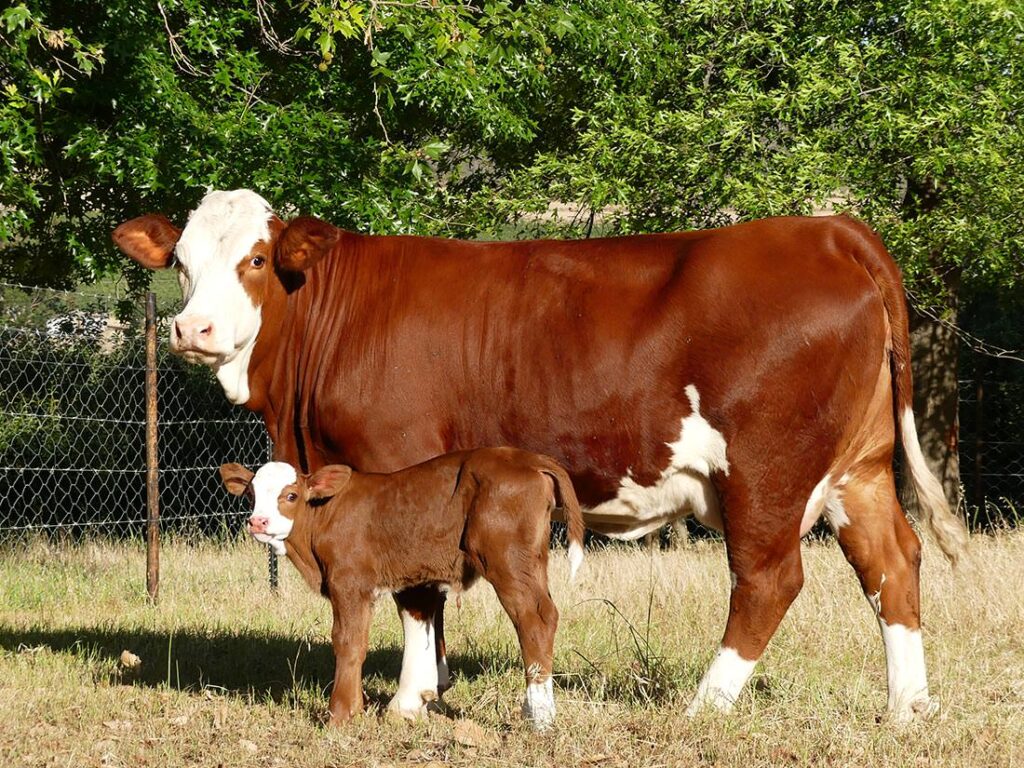
In the beef sector, FMD does not always kill adult cattle — but it is extremely lethal to calves. Reports from North West and Limpopo indicate calf mortality rates far beyond normal expectations. Farmers are experiencing:
- Severe fever and dehydration
- Lesions in the mouth that prevent feeding
- Hoof lesions that prevent calves from standing
- Secondary infections due to weakened immunity
Even in historically controlled zones, the disease has now spread at an alarming pace. Reports indicates that FMD is “a bigger crisis than government is willing to acknowledge.”
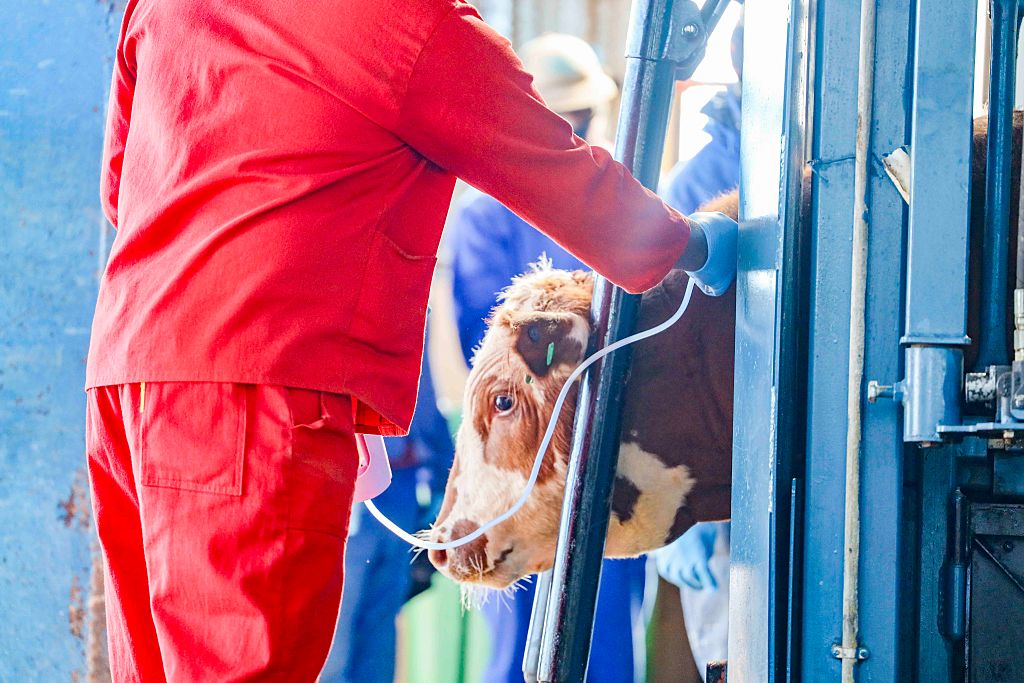
For beef farmers, losing a calf is not just losing an animal — it is losing a full production cycle and undermining future herd growth. A beef cow typically produces one calf per year, meaning every animal lost represents a minimum 12-month setback, often longer.
Severe Financial Losses Across the Beef Value Chain
Beef production is the backbone of South Africa’s livestock economy. When Foot and Mouth Disease spreads:
1. On-Farm Losses Rise Sharply
- High calf mortality
- Reduced weight gain in infected animals
- Veterinary bills
- Feed wasted on sick animals
- Reduced fertility rates in stressed herds
The economic toll escalates quickly. A cow that fails to calve or produce a market-ready weaner reduces revenue for up to two years.
2. Movement Restrictions Cripple the Market
When Foot and Mouth Disease is detected, government enforces strict animal movement bans. This disrupts:
- Weaner auctions
- Feedlot supply
- Live transport
- Butcher and abattoir chains
Thousands of farmers rely on these channels for cash flow. A movement ban instantly collapses income streams.
3. Export Markets Shut Down
South Africa’s beef export markets — especially in the Middle East and Asia — are immediately suspended when Foot and Mouth Disease outbreaks aren’t controlled. Export bans can take years to reverse, resulting in:
- Falling carcass prices
- Oversupply in local markets
- Declining feedlot profitability
- Loss of foreign investment
This is one of the most damaging aspects of the crisis.
Foot-and-Mouth Disease and the Dairy Sector — A Production and Profitability Emergency
While calf mortality dominates headlines, dairy farmers are facing a parallel crisis.
Milk Production Declines — The Hidden Cost of Foot and Mouth Disease
Infected cows experience:
- Painful udder lesions
- Stress-induced milk drop
- Fever that suppresses production
- Difficulty standing during milking
- Secondary mastitis
KwaZulu-Natal dairy farmers have described the losses as “massive and deeply worrying.”)
Milk must often be discarded due to:
- Temperature spikes
- Contamination risks
- Drug residue from antibiotic treatments
For many producers, this makes herds temporarily unproductive.
Economic Losses and Long-Term Damage
The financial impact on dairy farmers includes:
- Loss of daily income
- Lower milk quality and somatic cell count penalties
- Culling of infected animals
- Increased veterinary interventions
- Unplanned herd replacements
In addition, quarantine restrictions disrupt logistical supply chains to processors, causing irregular collection schedules and delays.
Foot and Mouth Disease in Dairy: A Knock-On Effect for Consumers
Dairy shortages lead to:
- Higher retail milk and cheese prices
- Increased import dependency
- Reduced local competitiveness
- Pressure on small processors and artisanal cheesemakers
Given that KZN alone produces nearly 30% of South Africa’s milk, prolonged Foot and Mouth Disease outbreaks threaten national milk security.
National Agricultural Stability at Risk
Widespread Outbreaks Undermine Confidence
Over the past 12 months, the spread has highlighted systemic weaknesses:
- Insufficient vaccine supply
- Poor coordination between national and provincial departments
- Slow outbreak detection and containment
- Limited biosecurity enforcement
- Fragmented communication with farmers
Political leaders, including John Steenhuisen, have criticised what they call a “failure to protect national food security.”
The Consumer Impact: Higher Prices and Lower Availability
Consumers will feel the consequences through:
- Rising beef prices due to smaller supply
- Increased dairy prices due to lower production
- Limited access to affordable protein
- Higher dependence on imports
This undermines household food security, particularly among low-income families.
A Call for National Intervention and Farmer-Led Biosecurity
What Must Happen Next
- Urgent mass vaccination campaigns
- Improved border and movement control
- Regionally coordinated disease surveillance
- Rapid compensation policies
- A national livestock traceability system
Producers, veterinarians and industry bodies agree: South Africa cannot afford delays.
Conclusion: The Future of Beef and Dairy Depends on Rapid Action
The Foot and Mouth Disease crisis is far more than a livestock health emergency — it is a direct threat to South Africa’s agricultural economy, export credibility and national food security. Beef producers face catastrophic calf losses, while dairy farmers endure severe production declines and financial strain.
Unless decisive action is taken now, the long-term consequences will reshape the entire livestock sector and burden consumers with higher prices and limited supply. (M.O)